
Looking for a psychiatrist in Tampa? You can start this week.
Two named, board-certified psychiatric providers with genuine same-day and next-day openings, while most of Tampa is quoting a three to six month wait. Depression, anxiety, ADHD, bipolar, PTSD. By secure video or in person.
- Seen within the week, not the seasonSame-day and next-day openings come up often across two providers.
- The same clinician every visitYou pick your provider before you book. No rotating panel, no next-available lottery.
- Bills insurance, or superbills for PPOIn-network coverage, and out-of-network superbills.
Free · Confidential
Request a callback
A patient coordinator calls you within one business day to check openings and confirm insurance. No cost, no obligation.
Got it. We will be in touch.
A patient coordinator will reach out within one business day. If you would rather not wait, call (813) 670-3005.

Video when you want it. A room when you need one.
Tampa is the one place on our map where the in-person option is genuinely convenient rather than theoretical. The Wesley Chapel office sits just off I-75 north of the city, close enough that a New Tampa or Carrollwood patient can be there in about the time it takes to cross the city at rush hour. Ascend also keeps a Tampa office on Moran Road in Carrollwood. Most people still choose video for routine visits, and that is fine. The point is that here, choosing is real.
Request a callbackA market this large should be easy to get seen in. It is not, and the reason is worth understanding before you spend a week calling.
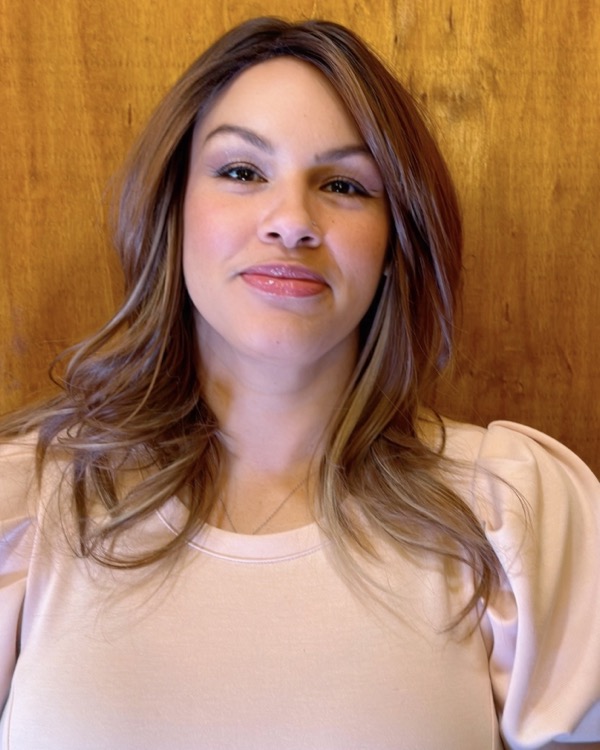
Ascend Mind and Body provides adult psychiatry to Tampa and Hillsborough County through two named board-certified providers, Anna Stouffer, PMHNP-BC and Margot Krahn, PMHNP-BC: evaluation and medication management for depression, anxiety, adult ADHD, bipolar disorder, PTSD, and OCD. Visits happen by secure Florida telehealth or in person at the Wesley Chapel office, roughly 25 minutes north of central Tampa on I-75. Ascend's Tampa office on Moran Road in Carrollwood handles in-person primary care and talk therapy. Most new patients start within the week. Call (813) 670-3005 or request an appointment online.
Hillsborough County has hospitals, an academic medical center, and hundreds of behavioral health listings. On paper, this is one of the better-supplied markets in Florida. In practice, a Tampa adult who calls around for a new psychiatric appointment gets quoted the same three to six months as somebody in a rural county, because supply on a directory page and supply on a calendar are unrelated numbers. Most listings are full. Some are stale. A handful were never taking new patients to begin with.
So the useful thing this page can do is not add another listing. It is to state, up front, exactly who would treat you, roughly when you could start, and where the visit would physically happen. Those three answers are what turns a search into a decision.
Beginning with the one that changes some readers' plans: both providers are board-certified Psychiatric Mental Health Nurse Practitioners, not physicians. In Florida that clinician evaluates, diagnoses, and prescribes psychiatric medication, controlled substances included where clinically appropriate. It is the substance of outpatient psychiatric care and it is not an MD. Anyone whose requirement is specifically a physician deserves to know that in the first minute.
Getting on a calendar in a market this size
Most new Tampa-area patients are scheduled within the week, and openings across two providers regularly come up same-day or next-day. In a market where three to six months is the standing quote for a new psychiatric intake, that gap is the whole proposition. Call (813) 670-3005 in the morning and ask what is genuinely open.
Why a large market still has a long wait
Three things stack up. Psychiatric prescribers see fewer patients per day than most specialties, because a psychiatric visit that is done properly cannot be fifteen minutes. Many practices in Hillsborough closed their panels years ago and never reopened them, so the listing persists while the availability does not. And the region keeps growing faster than clinical capacity does. None of that is fixable by any single practice. What is fixable is being honest about which category we are in.
What "within the week" actually means here
It means a first evaluation, sixty to seventy-five minutes, with a named clinician, usually inside seven days of your first call, and sometimes sooner when a cancellation lands. It does not mean a fifteen-minute intake with whoever is free, and it does not mean a prescription issued before anyone has properly evaluated you. Those two shortcuts are how some operations produce fast numbers, and neither is on offer.
What this is not
Not urgent care, not a crisis line, and not a prescription service. Psychiatric medication started under time pressure without a real history is worse than a short deliberate wait. If you are in immediate danger, call 988 or 911 now. Hillsborough has emergency departments across the county, and any of them is the right destination in an emergency.
How the schedule gets you in
-
1
Two panels, one lookup
Anna's and Margot's calendars get read together on the first call, and you are quoted the earlier real opening rather than a placeholder date.
-
2
Format chosen, not assigned
You decide whether the first visit is video or in person at Wesley Chapel. Both are on the same schedule, so choosing one does not push your date out.
-
3
Coverage confirmed first
Benefits are verified during that call, including any behavioral health carve-out, so nothing stalls between booking and arriving.
-
4
Continuity from visit one
The clinician who evaluates you is the clinician who keeps you. A quick start means little if the follow-up rotates.
 Illustrative
Who you would actually be seeing
Two clinicians, named here, both board-certified Psychiatric Mental Health Nurse Practitioners licensed in Florida. You choose one before booking and stay with them. Neither is a physician, and both see Tampa patients on video or in the room at Wesley Chapel.
- Board-certified PMHNP-BC
- Florida-licensed APRN
- Prescriptive authority
- Video or in person
Anna Stouffer, PMHNP-BC
Anna Stouffer, PMHNP-BC holds board certification both as a Psychiatric Mental Health Nurse Practitioner and as a Family Nurse Practitioner, with a Master of Science in Nursing and more than ten years in clinical practice. Family medicine came first, psychiatry second, and the sequence shows in how she works. Sleep, thyroid function, chronic pain, and interactions across a long medication list are part of the psychiatric assessment rather than someone else's problem. Adult outpatient work is her focus: depression, anxiety, adult ADHD, bipolar disorder, PTSD, and OCD. Her stated principle is short: "I believe every patient deserves to be heard, not rushed."
Anna also delivers the in-person ketamine therapy program at Wesley Chapel, a separate service for a small number of patients with treatment-resistant depression.
Margot Krahn, PMHNP-BC
Margot Krahn, PMHNP-BC is a board-certified PMHNP and Florida-licensed APRN with twelve years of clinical experience across the lifespan. Adults come to her for ADHD, anxiety, depression, bipolar-spectrum conditions, and trauma-related symptoms. She sums up her approach this way: "Every person deserves care that feels personal, respectful, and genuinely supportive. Meaningful change is always possible." Patients tend to note that she does not rush and does not make a complicated history feel like a burden.
Two prescribers rather than one is the plain reason a within-the-week start is realistic. It is capacity, not scheduling cleverness.
You searched "psychiatrist." Here is what that word is doing.
Almost nobody types "psychiatric mental health nurse practitioner Tampa" into a search bar. People type psychiatrist, because it is the word for the job rather than the word for the license. That mismatch is exactly what a lot of marketing quietly exploits, and we would rather name it.
- The job you are looking for is a licensed clinician who can evaluate you, diagnose you, prescribe psychiatric medication, and manage it over time.
- The license our providers hold is PMHNP-BC, a board-certified psychiatric nurse practitioner practicing in Florida as an APRN with prescriptive authority that includes controlled substances when clinically warranted.
- The difference is that a psychiatrist is a physician, an MD or DO, with medical school and psychiatric residency behind the title. We do not have one on the psychiatric side of this practice.
- The overlap is most of outpatient practice. Diagnostic evaluation, medication selection and adjustment, monitoring, and coordination with therapy are core PMHNP work, done at full scope here.
Where a physician genuinely matters more is at the complicated end: unusual medication interactions across serious medical illness, or a presentation that has already resisted several well-run treatment courses. Those cases exist, and when yours is one we will say so and help you find the right person rather than keep you out of stubbornness. For the large majority of Tampa adults searching this term, the answer to "can this person actually help me" is yes, and you deserved to work that out from the page rather than from the invoice.
Want to be matched to Anna or Margot?
(813) 670-3005Want a real date instead of a waitlist?
Tell us what is going on and we will match you to Anna or Margot and check the soonest opening across both. The first conversation is information, not a commitment.
Florida telehealth statewide, or in person at the Wesley Chapel flagship near Tampa.
Conditions we treat for Tampa adults
Adult depression including postpartum, anxiety and panic, adult ADHD, bipolar I and II, PTSD, and OCD. Below, each one is described by what actually prompts the call, because most people recognize their situation from the trigger rather than from the diagnostic label.
-
DepressionMost common
Usually called in when functioning slips at work, or when a partner says something first.
Read more -
Anxiety
Often after an emergency room visit that found nothing wrong with the heart.
Read more -
Adult ADHD
Frequently triggered by a child's diagnosis, or a promotion into work that needs organization.
Read more -
Bipolar disorder
Typically presenting in a low phase, years after the first elevated one went unremarked.
Read more -
PTSD
Often raised by a therapist rather than by the patient, and often long after the event.
Read more -
OCD
Usually described as anxiety at first, because the compulsions feel too strange to mention.
Read more
If any of this has become an immediate danger to you or somebody else, call 988 or 911 before doing anything else.
Depression: the call usually comes after work slips
Very few people call at the first bad week. The call comes when performance at work drops enough to notice, when a partner raises it, or when something that used to be automatic, getting up, eating, answering messages, stops being automatic. Range runs from a first episode to a low mood carried so long it stopped being described as depression. The National Institute of Mental Health reports that for moderate to severe depression, medication plus psychotherapy generally does better than either alone, which is why medication here comes with a therapy conversation. Postpartum depression is treated with breastfeeding status accounted for and your obstetric provider coordinated with. Any thought of harming yourself or your baby is an emergency, not an appointment.
Anxiety and panic: the call often comes after the ER cleared you
A very common Tampa story: chest tightness, racing heart, a certainty that something is badly wrong, an emergency department visit, and a workup that finds nothing. The relief lasts about a day before the fear that it will happen again takes over. That sequence is textbook panic disorder and it is treatable. The NIMH places anxiety disorders among the most prevalent conditions in U.S. adults. Treatment usually pairs a daily SSRI or SNRI with an explicit plan for what to do during a spike, and improves further alongside CBT. We do still ask whether a cardiac workup has been done, because assuming panic without it is not sound practice.
Adult ADHD: the call often follows a child's diagnosis
The most common prompt we hear is a parent sitting through their own child's ADHD evaluation and recognizing the entire description of themselves at nine years old. The second most common is a job change into work that demands organization the person has always quietly struggled with. The evaluation is a structured symptom history reaching back to childhood, an honest look at current functional impact, and a deliberate rule-out of the conditions that imitate ADHD. Stimulants are Schedule II controlled substances; whether one is appropriate, and whether an in-person evaluation is required, is a clinical decision your provider makes and explains. In-person visits are available at Wesley Chapel, which for most Tampa patients is a short drive.
Bipolar disorder: the call comes in the low phase
Almost universally, people reach out during a depressive stretch, because the elevated periods rarely feel like a problem while they are happening. So the evaluation asks specifically about times of unusually elevated or irritable mood, going days on very little sleep without feeling tired, uncharacteristic spending or risk-taking, and family history. Getting this right is consequential: an antidepressant used alone in bipolar disorder can destabilize the course. Where a mood stabilizer requires baseline and periodic bloodwork, we order it and you draw at a lab near you in Hillsborough.
PTSD: often named by someone else first
Trauma-related symptoms are frequently identified by a therapist, a partner, or a primary care provider before the patient volunteers the history. Medication can reduce hyperarousal, nightmares, and the sleep destruction that makes every other symptom harder to treat. It does not process the trauma. Trauma-focused therapy does that, and we coordinate with it rather than pretending a prescription replaces it.
OCD: usually introduced as anxiety
People rarely lead with the compulsions, because saying them out loud feels absurd, so OCD frequently arrives labeled as anxiety and can sit under that label for years. It matters because OCD often needs higher antidepressant dosing, a longer trial before judging, and exposure and response prevention therapy, which is a specific protocol rather than general counseling. If ERP is indicated and you are not in it, we help you find it.
Outside our scope
Primary substance use disorder treatment, active psychosis, and eating disorders requiring medical monitoring all belong at a higher level of care than outpatient medication management. Psychological and neuropsychological testing is not a service we offer. When one of those is the real need, saying so on the first call is more useful than an appointment that was never going to fit.
How the first medication actually gets chosen
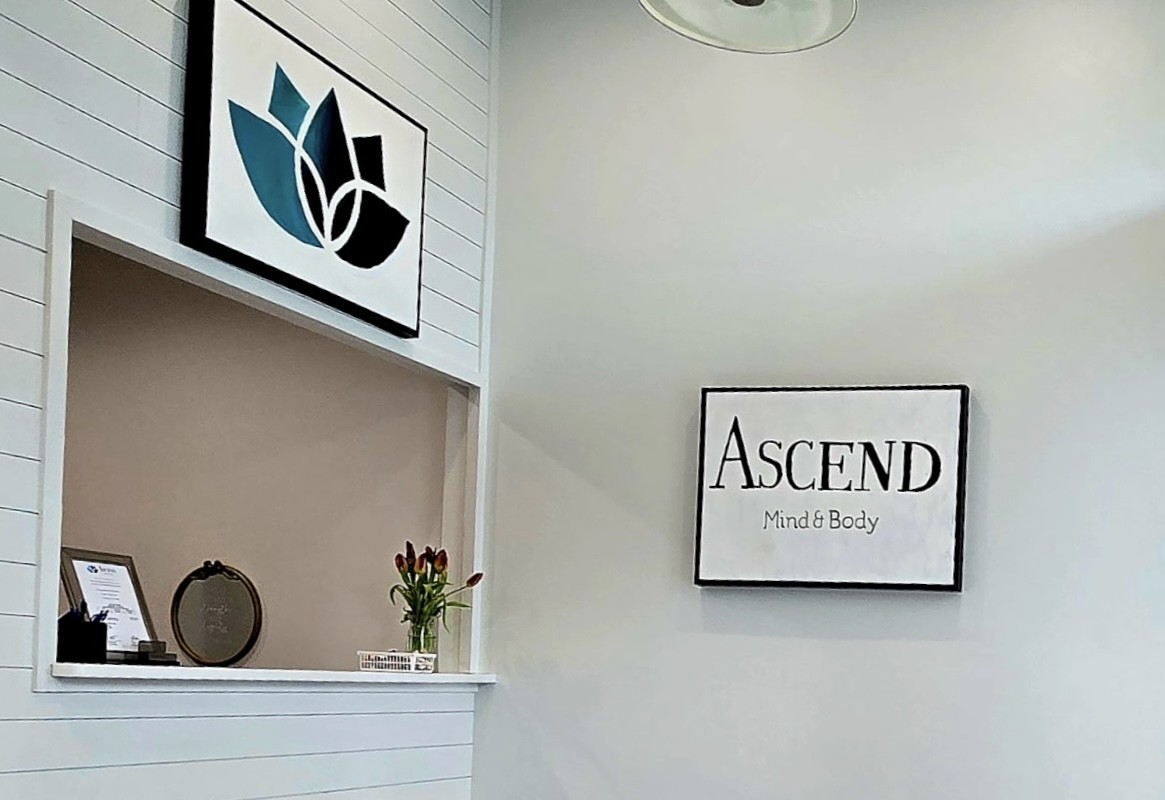 Actual Ascend office
Ascend's Tampa office on Moran Road in Carrollwood. In-person psychiatric visits take place at the Wesley Chapel office, about 25 minutes north on I-75.
There is no default medication for a diagnosis. The choice comes out of six specific inputs, and a provider who cannot name which one drove the decision is guessing. No medication works for every person, and the first choice is a hypothesis you test together rather than a conclusion.
Input one: which symptom is costing you the most
Two people can both have depression and need different medications because one cannot sleep and the other cannot get out of bed. Some antidepressants are more sedating and some more activating, and matching that to your dominant symptom is one of the few genuinely predictable levers available at the start. So the evaluation asks what you would fix first if you could only fix one thing.
Input two: which side effects you can actually live with
Every option in this category carries a side-effect profile, and the honest question is not which has none but which trade you would accept. Weight change, sexual side effects, daytime sedation, and early nausea land very differently depending on the person, and a medication abandoned in week three because nobody asked is a wasted month. You get told what is likely before you start, not after.
Input three: what else you take and what else you have
Several psychiatric medications interact meaningfully with common cardiovascular prescriptions, anticoagulants, and migraine treatments, and several medical conditions change which options are reasonable. This is where Anna's family medicine background earns its keep. Bring your complete medication list, including supplements, because a supplement interaction is a real one even though it did not come from a pharmacy.
Input four: what has already been tried, and how it actually went
The single most useful thing you can bring is an accurate history of previous trials: what, at what dose, for how long, and what happened. "It did not work" often turns out to mean it was stopped at two weeks, or never reached a therapeutic dose, which makes it an untested option rather than a failed one. Reviving something that was never given a fair run is common and frequently effective.
Input five: your plan's formulary, and whether it needs prior authorization
A medication you cannot obtain is not a treatment plan. Formulary tiers and prior authorization requirements are checked as part of the decision rather than discovered at the pharmacy counter, because a delay of a week or two at that stage is common and demoralizing. Where a preferred alternative is clinically equivalent, we usually start there.
Input six: whether a controlled substance is even in play
Controlled-substance prescribing follows state and federal rules that we work inside rather than around. Nothing is promised before an evaluation, and a prior prescriber's medication cannot simply be continued without our own assessment. Separately, for a small group whose depression has not responded adequately to standard antidepressant trials, Anna Stouffer provides in-person ketamine therapy at Wesley Chapel. Ketamine is a Schedule III controlled substance. The ketamine used at Ascend is a compounded preparation that is not FDA-approved; no compounded medication is FDA-approved for any use. It is given under the supervision of a licensed prescriber for treatment-resistant depression and select indications. It is not a first-line option, individual responses vary, and it runs as a distinct program requiring in-person visits.
Why the appointment is long enough to do this
Six inputs cannot be worked through in a fifteen-minute slot, which is roughly why the fifteen-minute medication check produces the outcomes it produces. Initial evaluations here run sixty to seventy-five minutes and follow-ups twenty to thirty. The extra time is not a service flourish; it is the only way the decision above gets made on evidence rather than on habit.
Two Ascend addresses, and how Tampa patients use them
Tampa is the one market where a patient's care can genuinely be split between a screen and two nearby buildings. Worth knowing which does what before you book.
Wesley Chapel, for in-person psychiatry
Face-to-face psychiatric visits happen at 27724 Cashford Circle, Suite 102, just off I-75 north of the city, where both providers hold their in-person schedule. From New Tampa or Carrollwood this is a genuinely short trip; from South Tampa it is a commitment. Free parking, and the same appointment lengths as a video visit.
Moran Road in Carrollwood, for primary care and therapy
Ascend's Tampa office at 3971 Moran Rd, Suite 101 handles in-person primary care and talk therapy. If you want your physical health managed inside the same organization as your psychiatric care, that is where it happens, and it is considerably closer for most Hillsborough residents than the Wesley Chapel office. Call the Tampa office directly on (813) 670-3331.
Your screen, for most visits
Even with a short drive available, most Tampa patients keep routine psychiatric follow-ups on video, and that is a reasonable choice rather than a compromise. The American Psychiatric Association has published guidance affirming telepsychiatry as an appropriate way to deliver outpatient psychiatric care to most adults. The evaluation, the medication conversation, the symptom review, and the relationship all hold up on video. What does not: a physical exam when one is indicated, a blood draw, and a hands-on assessment during an acute crisis, which belongs in an emergency department.
How the split usually settles
A common pattern here is an in-person first evaluation at Wesley Chapel because the initial visit is the one people most want in a room, then video for follow-ups, with an occasional in-person visit when something warrants it. Another common pattern is video throughout and never seeing the building. Both work. You can also change your mind between visits without renegotiating anything.
Practicalities for a video visit
A camera, a microphone, a stable connection, and privacy. Sessions run on Zoom for Healthcare under a signed Business Associate Agreement, which meets HIPAA's technical safeguards for protected health information, with the call encrypted. A backup phone number is taken before each visit so a dropped connection becomes a phone appointment rather than a cancellation; Florida permits audio-only when video is not feasible and you consent. Florida licensure also requires you to be physically in the state during the session, confirmed at the start each time, so a work trip out of state means rescheduling.
Insurance for Hillsborough patients, stated plainly
In network for psychiatry: Aetna, Cigna, UnitedHealthcare, TRICARE, ChampVA, and Oscar Health Plan. Everything else is out of network and works through a superbill you submit yourself. Your specific plan is verified on the first call, before a date is offered, and we will not tell you a plan covers something it does not.
Military and veteran coverage in Tampa
MacDill Air Force Base sits in South Tampa, and the surrounding area carries a large active-duty, retiree, and military-family population, along with the network frustrations that come with it. TRICARE and ChampVA are both in network for psychiatry here. Mention it on the first call so the coordinator can verify your plan option and check whether a referral or authorization is required before you are scheduled rather than after. Behavioral health access is one of the more common gaps beneficiaries run into locally, which is precisely why it is worth confirming up front.
Employer plans, and the detail that decides your cost
Hillsborough has a lot of large employers, and most of their plans run through national carriers. The carrier logo on your card matters less than two other things: whether the plan is HMO or PPO, and whether behavioral health is administered by the same carrier or carved out to a separate company with its own network. A plan can be entirely in network for your physical and out of network for psychiatry for exactly that reason. Look for a separate behavioral health number on the back of the card; if one is printed there, that is the number that governs this.
Superbills, described without spin
Out of network means you pay at the time of service and receive an itemized document with the diagnosis code, the procedure code, the date, and the amount, which you submit to your insurer. It is a request, not a promise. PPO and POS plans generally carry out-of-network behavioral health benefits; HMO plans generally do not. Your plan sets the reimbursement percentage and any separate out-of-network deductible. Call your insurer and ask one question before booking: what are my out-of-network outpatient mental health benefits.
If your primary care is already at Ascend
Tampa patients who use the Moran Road office for primary care have their psychiatric and medical records in the same system, which removes the records-request step and makes interaction checking straightforward. If your primary care provider is elsewhere in Hillsborough, we request records or send a treatment summary with your written consent so nobody is managing your physical health without knowing what psychiatric medication you are on.
The Tampa options, assessed honestly
Every row here is the right answer for somebody. None of them is the right answer for everybody.
| Route | Named clinician | Room available | Typical wait |
|---|---|---|---|
| Ascend Mind and Body | You choose one of two | Wesley Chapel, about 25 minutes north | Usually within a week |
| Academic or hospital-affiliated psychiatry | Often a trainee with supervision | Yes, in the city | Frequently months |
| National telehealth psychiatry brand | Assigned from a panel | None anywhere | Days, but panel-dependent |
| Multi-location Tampa Bay group | Depends on assignment | Usually yes | Commonly weeks to months |
| Directory listings | Whoever answers | Varies | Unknown until you have called several |
An academic program brings depth and supervision and is the right call for genuinely complex presentations, if you can wait for it. A national video brand is fast to join and will assign you somebody. A large regional group has offices near you and the same backlog that sent you searching. What is on offer here is a named clinician, a short wait, and an in-person option that is close by rather than hypothetical.
 Actual waiting area
In-person psychiatric visits for Tampa patients take place at the Wesley Chapel office, just off I-75 north of the city.
Where Tampa patients are actually seen
Psychiatric visits happen by Florida telehealth or in person at the Wesley Chapel office, 27724 Cashford Circle, Suite 102, about 25 minutes north of central Tampa on I-75. Ascend's Tampa office at 3971 Moran Rd, Suite 101 in Carrollwood provides in-person primary care and talk therapy. Both are real offices with free parking.
In-person psychiatry: Ascend Mind and Body, Wesley Chapel
27724 Cashford Circle, Suite 102
Wesley Chapel, FL 33544
Psychiatry: (813) 670-3005
Primary care and talk therapy: Ascend Mind and Body, Tampa
3971 Moran Rd, Suite 101
Tampa, FL 33618
Tampa office: (813) 670-3331
Hours at both: Monday through Friday, 8:30 AM to 5:00 PM, with free parking on site. Directions to Wesley Chapel or directions to the Tampa office.
Drive times to the in-person psychiatry office
| Starting from | Approximate drive |
|---|---|
| New Tampa and Tampa Palms | About 10 to 15 minutes, the shortest in the county |
| Carrollwood and Northdale | About 15 to 25 minutes |
| Temple Terrace | About 20 to 25 minutes via I-75 |
| Seminole Heights | About 25 to 35 minutes via I-275 to I-75 |
| Downtown Tampa and Ybor City | About 30 to 40 minutes |
| Westchase and Town 'N' Country | About 30 to 40 minutes via the Veterans Expressway |
| South Tampa and the MacDill area | About 40 to 50 minutes, longer at peak |
The north end of the county has the easiest trip by a wide margin. Patients in New Tampa and Carrollwood often mix formats freely and think nothing of it. From South Tampa or the beaches side of the county, most people run everything on video and reserve an in-person trip for a specific reason, which is a perfectly sound way to do it.
Hillsborough County areas served: Tampa, Carrollwood, Northdale, New Tampa, Tampa Palms, Temple Terrace, Seminole Heights, Hyde Park, Downtown Tampa, Ybor City, South Tampa, Westchase, Town 'N' Country, Citrus Park, Brandon, Riverview, and the surrounding county. Florida licensure covers the entire state, so telehealth eligibility does not depend on your neighborhood. Ascend's three offices are in Tampa, Wesley Chapel, and Lakeland.
Related care: psychiatry at the Wesley Chapel flagship, Florida telehealth psychiatry, and talk therapy at the Tampa office.
Expectations worth setting before you start
Psychiatric medication helps a great many people and is not certain to help any particular person. The right one is usually reached by adjustment rather than found first time. It works better with therapy than without. And it depends completely on you reporting accurately how things are going, including the parts that are unflattering.
Nobody here will tell you a prescription fixes a life, or that one medication behaves the same way in two people. Response varies with diagnosis, history, and biology. Antidepressants need weeks. Some medications require ongoing bloodwork. Controlled substances carry rules that get followed rather than argued with. What is genuinely inside our control is an accurate diagnosis, a medication matched to your actual presentation instead of to a category, and appointments long enough to notice what a rushed one misses. Those decide most of what happens next.
Four expectations that cause the most trouble when they are wrong
- That week two tells you anything. It usually tells you about tolerability, not effect. People stop good medications in week two constantly, because nobody warned them it can feel worse before better.
- That a partial response is a failure. At six weeks, partial improvement is common and is far more often a dose question than a reason to abandon an option.
- That medication replaces therapy. For moderate to severe depression the combination generally beats either alone, and for PTSD and OCD the therapy component is doing work no prescription substitutes for.
- That a fast appointment means a fast prescription. A short wait to be evaluated is the thing on offer. Being evaluated properly is still the process, and sometimes the answer is that medication is not the right next step.
When to raise changing the plan
- An adequate trial has run and the symptoms you came in for have not moved.
- Side effects have started to outweigh the benefit.
- Something new has appeared, or an existing symptom has escalated, since the last visit.
- You are shading what you tell your provider, about the symptoms or about whether you are taking it.
None of that means the care has failed; it means the current plan has, and revising it is routine. If what you need turns out to sit outside outpatient medication management, a primary substance use disorder, active psychosis, or an eating disorder needing a higher level of care, you will be told plainly and pointed toward the right level of care.
And if it is urgent right now
Call or text 988 for the Suicide and Crisis Lifeline, any hour. If there is immediate physical danger, call 911 or go to the nearest emergency department; Hillsborough has them across the county. A scheduled psychiatric appointment is the right next step once things are stable, not the tool for a crisis in progress.
FAQs about psychiatry in Tampa
What Hillsborough callers ask, mostly about where visits happen and how medication gets chosen.
Where do in-person psychiatry appointments for Tampa patients happen?
At the Wesley Chapel office, 27724 Cashford Circle, Suite 102, about 25 minutes north of central Tampa on I-75, where both psychiatric providers hold their in-person schedule. Ascend's Tampa office at 3971 Moran Rd, Suite 101 in Carrollwood provides in-person primary care and talk therapy. Both have free parking and the same weekday hours.
Can I do everything by video instead?
Yes, including the initial evaluation and every follow-up. Most Tampa patients keep routine psychiatric visits on video even though the in-person option is close, and that is a reasonable choice rather than a compromise. You can also switch formats between visits without renegotiating anything.
Why is the wait so long everywhere else in a city this size?
Three reasons stack. Psychiatric prescribers see fewer patients per day than most specialties because a proper psychiatric visit cannot be fifteen minutes. Many Hillsborough practices closed their panels years ago while their directory listings stayed up. And the region has grown faster than clinical capacity. Directory supply and calendar supply are unrelated numbers.
How soon can a Tampa patient be seen?
Most new patients are scheduled within the week, and openings across two providers regularly come up same-day or next-day. That is a first evaluation of sixty to seventy-five minutes with a named clinician, not a short intake with whoever is free. Calling in the morning tends to catch cancellations.
Is the person prescribing my medication a physician?
No. Both are board-certified Psychiatric Mental Health Nurse Practitioners, PMHNP-BC, licensed in Florida as Advanced Practice Registered Nurses with prescriptive authority including controlled substances when clinically warranted. There is no MD or DO on the psychiatric side of this practice. If a physician is your requirement, say so and you will get a straight answer.
When does seeing a physician psychiatrist genuinely matter more?
At the complicated end: unusual medication interactions across serious medical illness, or a presentation that has already resisted several well-run treatment courses. Those situations are real, and when yours is one we will say so and help you find the right person rather than keep you out of stubbornness. For most adults searching this term, a PMHNP covers what they need.
Which insurance plans are in network?
Aetna, Cigna, UnitedHealthcare, TRICARE, ChampVA, and Oscar Health Plan are in network for psychiatry. Plan terms still vary, so benefits are verified on the first call before scheduling. Anything else is out of network, meaning payment at the time of service and an itemized superbill you submit to your insurer yourself.
I am active duty or a military family member near MacDill. Does TRICARE work here?
TRICARE is in network for psychiatry, as is ChampVA. Mention it on the first call so the coordinator can confirm your plan option and check whether a referral or authorization is needed before you are scheduled. Behavioral health access is one of the more common network gaps beneficiaries hit locally, which is why verifying up front is worth the two minutes.
My plan covered my physical but not psychiatry. How?
Most likely a behavioral health carve-out. Many employer plans hand mental health to a separate administrator with its own network and authorization rules even though the card shows only the main carrier. Check the back of the card for a separate behavioral health phone number; if one is printed there, that number governs your psychiatric coverage.
How does the provider decide which medication to start?
From six inputs: which symptom is costing you the most, which side effects you can actually live with, what else you take and what other conditions you have, what has already been tried and how it genuinely went, what your plan's formulary allows without a delay, and whether a controlled substance is in play at all. A provider who cannot name which input drove the decision is guessing.
What should I bring to the first appointment?
A complete list of everything you take, including supplements, and an accurate history of previous psychiatric medications: what, at what dose, for how long, and what happened. That history is the single most useful thing you can bring. “It did not work” often turns out to mean it was stopped at two weeks or never reached a therapeutic dose, which makes it untested rather than failed.
What if a medication is not covered or needs prior authorization?
Formulary tier and authorization requirements are checked as part of choosing the medication rather than discovered at the pharmacy counter, because delays at that stage run a week or two and are demoralizing. Where a preferred alternative is clinically equivalent, we generally start there instead.
Can you prescribe ADHD medication or other controlled substances?
When it is clinically appropriate and within the state and federal rules that apply. Stimulants are Schedule II controlled substances, and whether one fits your case, and whether an in-person evaluation is required, is a clinical decision your provider makes and explains. Nothing is promised before an evaluation, and a prior prescriber's medication cannot simply be continued without our own assessment.
Can I use Ascend for both my primary care and my psychiatry?
Yes. In-person primary care is at the Tampa office on Moran Road in Carrollwood, and psychiatry is by video or in person at Wesley Chapel. Records sit in the same system, which removes the records-request step and makes interaction checking straightforward. Call the Tampa office on (813) 670-3331 for primary care scheduling.
Do I have to be in Florida during a video visit?
Yes. Florida licensure requires you to be physically located in the state during the appointment, and your provider confirms that at the start of each session. It depends on where you are sitting rather than where you live, so a work trip out of state means rescheduling rather than logging in from a hotel.
What happens if the video connection drops?
A backup phone number is collected before every visit. If video fails, your provider calls that number and the appointment continues by phone, which Florida permits when video is not feasible and you consent. You do not lose the appointment or the slot over a bad connection.
Do you see patients for perinatal and postpartum mood conditions?
Yes, as part of adult psychiatric care, with breastfeeding status accounted for where relevant and coordination with your obstetric provider when that helps. If symptoms ever include thoughts of harming yourself or your baby, that is an emergency: call 911 or go to the nearest emergency department rather than waiting for an appointment.
What do you not treat?
Primary substance use disorder treatment, active psychosis, and eating disorders requiring medical monitoring all need a higher level of care than outpatient medication management. Psychological and neuropsychological testing is not a service Ascend provides at all. If one of those is the real need, you will hear it on the first call and be pointed toward the right level of care.
Is ketamine therapy something Tampa patients can access?
It is offered in person at Wesley Chapel by Anna Stouffer, for a small number of patients whose depression has not responded adequately to standard antidepressant trials, and it is a separate program from medication management. Ketamine is a Schedule III controlled substance. The ketamine used at Ascend is a compounded preparation that is not FDA-approved; no compounded medication is FDA-approved for any use. It is given under the supervision of a licensed prescriber for treatment-resistant depression and select indications. It is not a first-line option and individual responses vary.
Pick the room or the screen and we will book it
Tell us what is going on and we will match you to Anna or Margot and check the soonest opening across both. Most new patients are scheduled within the week, by Florida telehealth statewide or in person near Tampa.
In crisis right now? Call or text 988 anytime. Psychiatry appointments are not an emergency service.