Diana Frances Smith, MS, RMFTI
Registered marriage and family therapist intern
Video visits across Florida · in person in Lakeland
Couples Therapy · Florida
Help with communication, trust and conflict, from a therapist who listens to both of you.

You’ll see Diana Frances Smith, MS, RMFTI.
Start here
Request a visit
Tell us how to reach you. We confirm your coverage before your first visit.
Quick answer
Couples therapy and marriage counseling at Ascend is provided by Diana Frances Smith, MS, RMFTI, a registered marriage and family therapist intern practicing under clinical supervision, by secure video anywhere in Florida or in person at the Lakeland office. Insurance questions go to our care team, who confirm your coverage with you before your first visit.
Three steps from first call to a plan you can follow.
Send the form or call (863) 510-2624. A care coordinator calls you back, usually within one business day, and confirms your coverage before your first visit.
Meet with Diana Frances Smith, MS, RMFTI, by secure video, together or from two locations, or in person in Lakeland.
Sessions focus on how you talk, argue and repair, with things to practice between sessions.
The clinician who will see you.
Registered marriage and family therapist intern
Video visits across Florida · in person in Lakeland
Call the office to book, or use the form and a care coordinator will call you.
In person at our office, or by secure video anywhere in Florida.
By video
Couples therapy by video near you
Couples therapy by telehealth across Florida →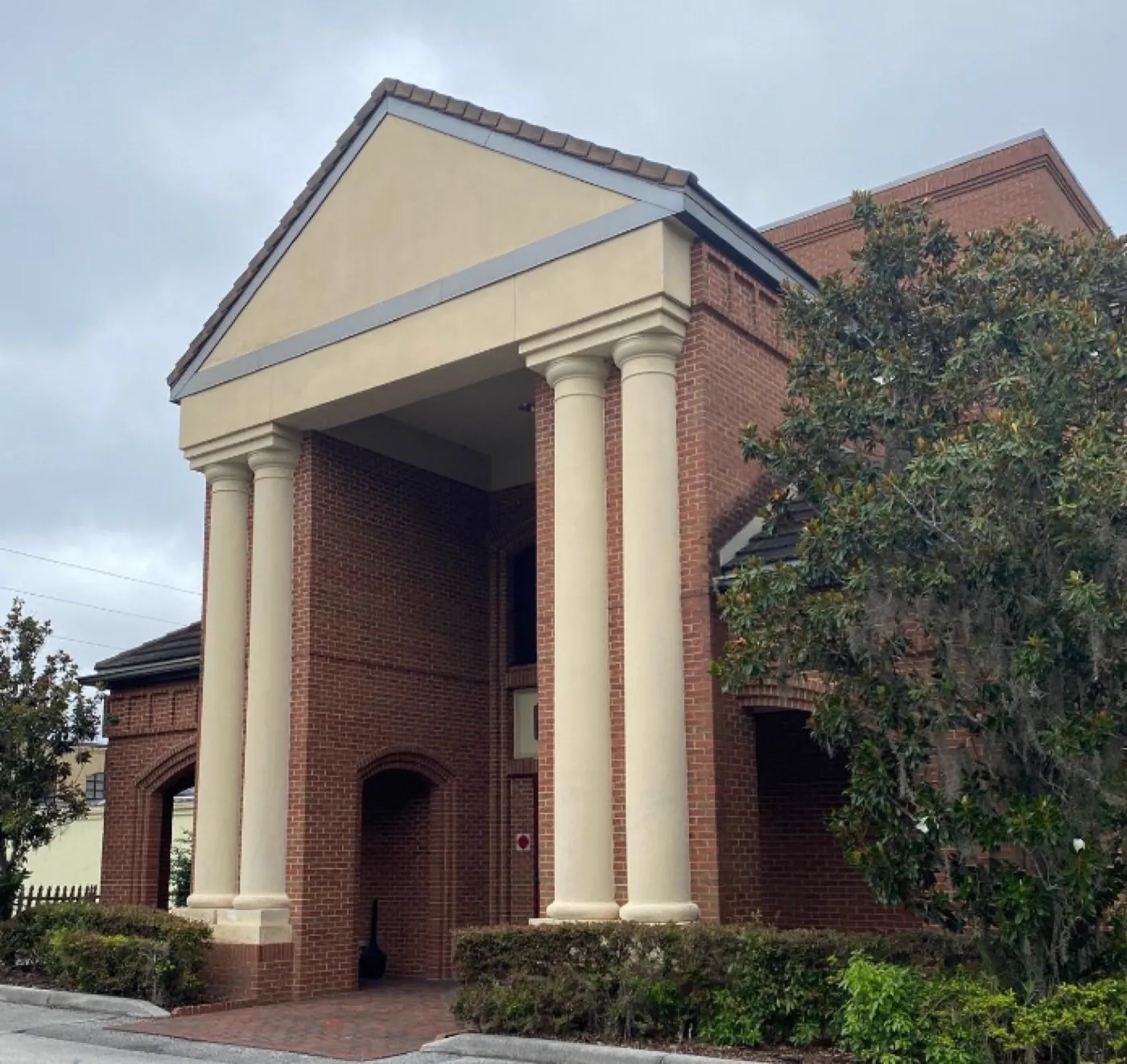
In person
Whether you're navigating a rough patch or rebuilding after a rupture, our therapy team works with the specific dynamics of your relationship - not a generic checklist.
When conversations turn into arguments or silence, we help you learn how to actually hear each other - and be heard - without defensiveness or shutdown.
Book a SessionRebuilding trust after betrayal is painful and slow. Our therapy team provides a structured, evidence-based framework for processing the injury and deciding the path forward - together or apart.
Book a SessionStart your marriage with eyes open. We cover finances, family expectations, conflict styles, and intimacy - the conversations most couples skip until it's too late.
Book a SessionNew baby, job loss, relocation, retirement - transitions stress even strong relationships. We help couples adapt together instead of growing apart.
Book a SessionWhen emotional or physical intimacy fades, it doesn't mean the relationship is over. We help couples understand the disconnection and rebuild closeness at their own pace.
Book a SessionDifferent parenting styles don't have to become a battleground. We help couples align on values, discipline, and boundaries - so the kids aren't caught in the middle.
Book a SessionOur couples therapists draw on the Gottman Method, which is built on 40+ years of research into what makes relationships succeed or fail. We also use Emotionally Focused Therapy (EFT), which helps couples identify the negative interaction cycles driving their conflict and replace them with secure, bonded patterns. For couples dealing with stories about their relationship that have become rigid or harmful, we incorporate narrative therapy techniques to rewrite those narratives together.
Diana Frances Smith, MS, RMFTI has completed the EFT Externship and all EFCT Core Skills training and practices under licensed clinical supervision and is working toward certification in Emotionally Focused Couples Therapy; see our plain-English guide to what Emotionally Focused Therapy is for how the model works. Book with Diana
Sessions are typically held weekly, and the care team confirms session length when you book. Both partners attend. Your therapist will work with you to set concrete goals - not vague "improve communication" aspirations, but specific, measurable changes you can both track. If individual work would benefit either partner alongside the couples sessions, we can coordinate that within our team.
We work with many major commercial plans and offer self-pay options. Coverage varies by plan and service. Our team will confirm with you.
Insurance questions go to our care team, who confirm your coverage with you before your first visit.
A first couples session is mostly an assessment. Nobody expects the two of you to fix anything in that first hour, and knowing that takes a surprising amount of pressure off. Your therapist is Diana Frances Smith, MS, RMFTI, a registered marriage and family therapist intern. In Florida that means she has finished her master's degree in marriage and family therapy and sees clients under a qualified supervisor while she completes the hours for full licensure.
On video, the first session runs the same way. If you are together, sit so both faces are on camera. If you are apart, join from two devices and wear headphones so the sound does not echo between you.
Engaged couples often ask about Florida's premarital course while they are booking premarital sessions, so here is how the rule works. Under section 741.0305 of the Florida Statutes, a couple who files a certificate of completion for a premarital preparation course of at least four hours pays a reduced marriage license fee. Under section 741.04, Florida residents who file those certificates also avoid the three-day delay before the license takes effect.
Premarital sessions with Diana cover much of the same ground: money habits, family-of-origin patterns, how each of you fights and repairs, and expectations about children and intimacy. Do not assume they produce a certificate the clerk will accept, though. If the reduced fee matters to you, ask our care team before you book, and check with the clerk in the county where you will apply.
Two situations bring many couples to a first call, and both need a slightly different approach from ordinary couples work.
After an affair or another betrayal. In emotionally focused terms, a betrayal is an attachment injury: a moment when one partner badly needed the other and the bond was broken instead. Recovery tends to move through stages. The hurt partner gets room to ask questions and be heard without the conversation turning into a fight. The partner who caused the hurt learns to stay present with that pain rather than defend against it. Only then does the couple start rebuilding something that feels safe. The pace is set carefully so sessions do not simply reopen the wound, and no honest therapist can tell you in advance how it will end.
When one partner is leaning out. Standard couples therapy assumes you both want to work on the relationship. When one of you is unsure, discernment counseling is a short, structured alternative that helps you decide whether to keep going as you are, commit to couples therapy, or move toward separation with more clarity. It is not a way to talk a reluctant partner into staying.
Our couples therapy page in Lakeland goes deeper on both, including how discernment counseling sessions are structured and how trust repair is paced.
Yes. Research on structured approaches such as Emotionally Focused Therapy and the Gottman Method finds that most couples who complete treatment report meaningful improvement in relationship satisfaction and communication. The key is choosing a therapist trained in structured, research-backed approaches like the Gottman Method or EFT - not generic "talk about your feelings" sessions.
We can start with individual sessions to explore your concerns and develop strategies for your relationship. Many reluctant partners agree after hearing about the process and understanding that therapy isn't about blame - it's about building something better.
Most couples see meaningful progress in 12-20 sessions. Some issues - like pre-marital preparation - resolve faster. Others - like infidelity recovery - take longer depending on the complexity and history involved. Your therapist will set realistic expectations from the start.
Yes to both. Sessions run on secure, HIPAA-compliant video for couples anywhere in the state, and each of you must be physically in Florida while the session happens. That is a licensing rule, not a preference. You can sit side by side on one screen or log in from two places, such as home and an office, if that is what your week allows. If you would rather be in the same room as your therapist, sessions are also held in person at our Lakeland office.
Absolutely. Ascend is an affirming practice. Our therapy team is trained in the unique dynamics LGBTQIA+ couples may face, including family-of-origin issues, societal stressors, and identity-related concerns. You will be welcomed exactly as you are.
For practical purposes, yes. Marriage counseling is the older term, and couples therapy is the broader one, since plenty of people who come in are dating, engaged or long-term partners who never married. The methods do not change with the label: Diana Frances Smith, MS, RMFTI, works in Emotionally Focused Couples Therapy whatever your relationship status. You will see both terms on directories and websites, and they describe the same kind of help.
Ask this in the first session, because couples therapists handle it differently and the answer shapes what you choose to share. Some follow a no-secrets policy, meaning anything one partner says alone can be brought into joint sessions; others hold limited confidences. Your therapist should explain the policy before any individual time begins, and if that has not happened, ask directly. The legal limits on confidentiality apply either way: serious risk of harm to you or someone else, and suspected abuse of a child, elder or vulnerable adult.
Usually something small rather than worksheets. You might be asked to notice when the familiar argument starts and name it out loud, try one new way of reaching for each other when you feel hurt, or set aside fifteen minutes for a weekly check-in. Trying these at home gives the next session real material, because you can start from what actually happened instead of what you meant to do. If a week falls apart, bring that in too, since a failed attempt shows exactly where the pattern grips.
Give at least 24 hours of notice by calling the office, and the care team will look for another time. Late cancellations and no-shows may carry a fee under the practice's policy on our insurance page. If one of you is unwell but the other is free, ask whether the time could become a video session or a short individual check-in instead of a straight cancellation. Regular attendance matters more in couples work than people expect, because the pattern you are changing does not take weeks off.
Not while someone in the relationship is unsafe. Joint sessions depend on both partners being able to speak honestly without paying for it later at home, so physical violence, threats, stalking or coercive control mean couples work is put on hold. The safer starting point is individual therapy and a safety plan, and the National Domestic Violence Hotline can help with that confidentially. If you are in danger now, call 911. If you are having thoughts of harming yourself, call or text 988.
There are no couples fees posted online. When the care team calls you back, they give you the current rate, which is set by the clinician's credential tier, and sessions with a registered intern such as Diana sit in the supervised-intern tier. Ascend Mind and Body works with many major commercial plans and offers self-pay options, and whether your plan covers couples sessions depends on the plan itself. Insurance questions go to our care team, who check yours before the first session so the cost is clear up front.
Send a request and a care coordinator will call you back, or call us now. Insurance questions go to our care team, who confirm your coverage with you before your first visit.