
A psychiatrist in Wesley Chapel you can see in person, this week.
A named, board-certified provider at our Cashford Circle flagship, the only office where psychiatry, primary care, talk therapy, and ketamine share one chart. Same-day and next-day openings while much of Tampa Bay quotes a three to six month wait. Depression, anxiety, ADHD, bipolar, PTSD.
- In person at Cashford Circle, or by videoA real local office with free parking, plus statewide Florida telehealth when a drive does not fit.
- One named provider, one shared chartYou pick your clinician before you book and keep them. Psychiatry, primary care, therapy, and ketamine in one building.
- Seen within the week, not the seasonMost new patients start in one to two weeks. Bills insurance, superbills for PPO.
Free · Confidential
Request a callback
A patient coordinator calls you within one business day to check openings and confirm insurance. No cost, no obligation.
Got it. We will be in touch.
A patient coordinator will reach out within one business day. If you would rather not wait, call (813) 670-3005.

Four kinds of care, one building, one chart.
Wesley Chapel is where the whole practice actually lives. Primary care, psychiatry, talk therapy, and ketamine therapy operate out of the same suite on Cashford Circle, which means the lab your medication needs is down the hall and the therapist your treatment plan calls for is on the same records system. Nowhere else in the organization is all four co-located. If you have ever had two clinics fax each other for six weeks about you, you already understand what that is worth.
Request a callbackMost psychiatric care fails at the seams between services, not inside any one of them.
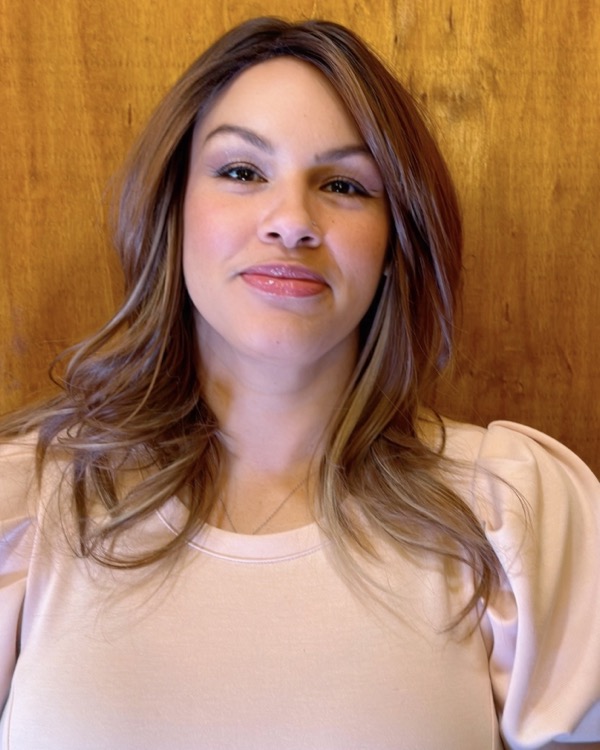
The Wesley Chapel flagship at 27724 Cashford Circle, Suite 102 is Ascend's only location where psychiatry, primary care, talk therapy, and ketamine therapy all sit in the same suite. Two named board-certified providers, Anna Stouffer, PMHNP-BC and Margot Krahn, PMHNP-BC, handle evaluation and medication management for depression, anxiety, adult ADHD, bipolar disorder, PTSD, and OCD, in person or by Florida telehealth. Most new patients start within the week. Call (813) 670-3005 or request an appointment online.
Here is the failure most people have already lived through. A psychiatric provider prescribes something that needs a metabolic panel, and the order goes to an outside lab that sends results back to a portal nobody reads. A therapist notices a patient sliding three weeks before the prescriber's next appointment and has no practical way to say so. Two antidepressants do not work, and the referral for the next step goes to a clinic that has never seen a single note from the last eighteen months. Each individual clinician did their job. The care still fell apart, in the gaps.
Co-location is the unglamorous fix for that. It is not a better kind of psychiatry, and nobody should claim it is. It is the same psychiatry with fewer places for information to fall out of the process, and after enough years in this work that turns out to matter roughly as much as anything else.
One thing to state plainly before anything else, because it changes what some readers want to do next: both psychiatric providers here are board-certified Psychiatric Mental Health Nurse Practitioners rather than physicians. In Florida a PMHNP evaluates, diagnoses, and prescribes, including controlled substances when clinically appropriate. That covers the substance of outpatient psychiatric practice. It is still not an MD, and if that distinction matters to you, you deserve to know now.
Starting at the flagship, usually within the week
Most new Pasco-area patients are scheduled within seven days, in person or by video, and same-day cancellation openings come up across two providers. Against a regional norm of three to six months for a new psychiatric intake, that is the point of difference. Call (813) 670-3005 and say whether you want the room or the screen; both draw on the same calendar.
Pasco grew faster than its clinical capacity
Wesley Chapel, Land O Lakes, and the SR 54 and SR 56 corridor have added an enormous number of residents in a short span, and behavioral health capacity did not keep pace. That is the specific local reason a Pasco County adult searching for a psychiatrist runs into full panels, and it is not something any one practice fixes. What a practice can do is be straight about whether it has room, and right now this one does.
Why in person does not cost you a later date
At a lot of practices the in-person slot is the scarce one and choosing it adds weeks. Here both providers hold their in-person schedule in this building, so the room and the video call draw from the same calendar. Choosing to come in does not push your start date out, which is worth knowing because plenty of people quietly settle for video believing it is the only fast option.
What a fast start is not
Not urgent care, not a crisis service, and not a prescription counter. Medication started under time pressure without a proper history is worse than a short deliberate wait. If you are in immediate danger, call 988 or 911 now rather than filling in a form.
What one building changes about your schedule
-
1
Labs without a second errand
When a medication needs baseline bloodwork, primary care is in the same suite rather than an outside order you have to chase down separately.
-
2
Therapy on the same records system
If your plan calls for medication plus therapy, both can run here with a shared chart instead of two offices exchanging voicemails about you.
-
3
Stacked visits on one trip
A psychiatric follow-up and a primary care appointment can often be booked back to back, which matters more than it sounds if you take time off to attend.
-
4
No cold referral for the next step
If treatment-resistant depression becomes the conversation, the provider discussing it already has your full record rather than a one-page summary.
 Illustrative
The clinicians who practice in this building
Two board-certified Psychiatric Mental Health Nurse Practitioners hold their in-person schedule at Cashford Circle, and both also see patients by video. You choose one before booking and keep them. Neither is a physician.
- Board-certified PMHNP-BC
- Florida-licensed APRN
- Prescriptive authority
- In-person schedule here
Anna Stouffer, PMHNP-BC
Anna Stouffer, PMHNP-BC is dual board-certified as a Psychiatric Mental Health Nurse Practitioner and a Family Nurse Practitioner, holds a Master of Science in Nursing, and has more than a decade of clinical practice, beginning in family medicine before moving into psychiatry. In a building where primary care sits alongside psychiatry, that dual training is more than a credential line: it is the reason a metabolic question, a thyroid result, or an interaction with a cardiac medication gets handled as part of the psychiatric conversation rather than deferred. Her stated principle: "I believe every patient deserves to be heard, not rushed."
Anna also delivers the in-person ketamine therapy program, which runs out of this same building for a small number of patients with treatment-resistant depression.
Margot Krahn, PMHNP-BC
Margot Krahn, PMHNP-BC is a board-certified PMHNP and Florida-licensed APRN with twelve years of clinical experience across the lifespan. Adults see her for ADHD, anxiety, depression, bipolar-spectrum conditions, and trauma-related symptoms. Her description of her own approach: "Every person deserves care that feels personal, respectful, and genuinely supportive. Meaningful change is always possible." Patients consistently mention that she does not rush and does not treat a tangled history as an inconvenience.
Two prescribers rather than one is the straightforward reason a within-the-week start is realistic here, in person as well as on video.
PMHNP-BC, and what a whole practice adds to it
The credential question deserves a direct answer, and then a second answer that most pages never give: what surrounds the credential.
- The direct answer. PMHNP-BC is a board-certified psychiatric nurse practitioner. In Florida, licensed as an APRN with prescriptive authority that includes controlled substances when clinically appropriate. Neither of our psychiatric providers is a physician; there is no MD or DO on this side of the practice.
- The second answer. A prescriber working alone carries every question themselves. A prescriber working in a building with primary care, therapy, and a treatment-resistant depression program has somewhere to take the questions that sit at the edge of their scope.
- Where that shows up. A physical finding that needs an exam. A lab result that needs medical interpretation. A patient whose depression has not moved after two proper trials. A presentation that turns out to be a sleep disorder rather than a mood disorder.
- Where it does not. Co-location does not turn a nurse practitioner into a physician, and we are not going to imply it does. It reduces the number of questions that have to leave the building, which is a different and more modest claim.
We also do not provide psychological or neuropsychological testing anywhere in the organization. If formal testing is what you need, you will be told that rather than sold something adjacent to it.
Want to be matched to Anna or Margot?
(813) 670-3005Want everything under one roof?
Tell us what is going on and we will match you to Anna or Margot and check the soonest opening across both, in person at Cashford Circle or by Florida telehealth. The first conversation is information, not a commitment.
In person at the Wesley Chapel flagship, 27724 Cashford Circle, or by Florida telehealth statewide.
Conditions we treat, and who else in the building gets involved
Adult depression, anxiety and panic, adult ADHD, bipolar I and II, PTSD, OCD, and perinatal mood conditions. For most of these, psychiatry is one part of the plan and something else in the building is the other part. Below, each condition is paired with the service it most often needs alongside medication.
-
DepressionMost common
Medication plus therapy, with primary care handling the labs and the medical rule-outs.
Read more -
Anxiety
Medication alongside CBT-based therapy, after a cardiac and thyroid picture has been checked.
Read more -
Adult ADHD
Evaluation and medication, with vitals monitoring handled in the same building.
Read more -
Bipolar disorder
Mood-stabilizer management where the required monitoring bloodwork is down the hall.
Read more -
PTSD
Medication for the symptom load, with trauma-focused therapy doing the central work.
Read more -
OCD
Medication at the dosing OCD needs, paired with exposure and response prevention therapy.
Read more
If this has become an immediate danger to you or somebody else, call 988 or 911 before anything else.
Depression, and the two services it usually needs
Psychiatry handles the diagnosis and the medication. The National Institute of Mental Health reports that for moderate to severe depression, medication combined with psychotherapy generally outperforms either alone, which is why talk therapy in the same building is part of most plans rather than an afterthought. Primary care handles the third piece nobody thinks about: ruling out the medical contributors that imitate depression, including thyroid dysfunction, anemia, vitamin deficiency, and untreated sleep apnea. Running all three inside one organization is the difference between a rule-out that happens and one that gets mentioned and then forgotten. Postpartum depression is treated here with breastfeeding accounted for and your obstetric provider coordinated with; thoughts of harming yourself or your baby are an emergency, not an appointment.
Anxiety and panic, and the exam that should come first
Anxiety disorders are among the most prevalent conditions in U.S. adults according to the NIMH. Panic symptoms overlap with cardiac symptoms enough that a workup matters before a diagnosis is settled, and with primary care in the same suite, that step is a hallway conversation rather than an outside referral that may or may not happen. Once anxiety is the answer, the usual approach is a daily SSRI or SNRI plus an explicit plan for spikes, and it does better paired with CBT.
Adult ADHD, and the monitoring that comes with it
Evaluation covers a structured symptom history reaching back to childhood, current functional impact, and a deliberate rule-out of the conditions that imitate ADHD. Where stimulant medication is appropriate, blood pressure and heart rate need periodic checking, and having that done in the same building on the same visit is how monitoring actually gets done rather than deferred to a primary care appointment nobody books. Stimulants are Schedule II controlled substances, and whether one is appropriate is a clinical decision your provider makes and explains.
Bipolar disorder, and where the bloodwork happens
Accurate diagnosis is the load-bearing part, because an antidepressant used alone in bipolar disorder can destabilize the course, so the evaluation asks specifically about elevated or irritable periods, reduced need for sleep, and family history. Several mood stabilizers then require baseline and periodic monitoring. In this building that order goes to primary care in the same suite and the result comes back into the same chart, which removes the two most common places monitoring quietly stops happening.
PTSD, where therapy is the main event
Medication can reduce hyperarousal, nightmares, and the sleep disruption that undermines everything else. It does not process trauma. Trauma-focused therapy does that, and having therapists in the same building on the same records system means the prescriber can see that the therapy is underway and adjust around it, rather than managing symptoms in the dark.
OCD, and the specific therapy it requires
OCD frequently needs higher antidepressant dosing than depression and a longer trial before a fair judgment. Exposure and response prevention therapy is the piece doing most of the work, and it is a specific protocol rather than general counseling. Coordinating medication and ERP inside one organization means the dose can be adjusted with knowledge of how exposure work is actually going.
When two treatments have not been enough
For a small number of patients whose depression has not responded adequately to standard antidepressant trials, in-person ketamine therapy is available in this same building, provided by Anna Stouffer. Ketamine is a Schedule III controlled substance. The ketamine used at Ascend is a compounded preparation that is not FDA-approved; no compounded medication is FDA-approved for any use. It is given under the supervision of a licensed prescriber for treatment-resistant depression and select indications. It is not a first-line option, individual responses vary, and it runs as a separate program from medication management. The reason it is mentioned in this section rather than buried is that the co-location is the practical point: the provider having that conversation already holds your full record.
Outside our scope
Primary substance use disorder treatment, active psychosis, and eating disorders requiring medical monitoring all need a higher level of care than outpatient medication management, and psychological and neuropsychological testing is not offered anywhere in the organization. Co-location does not change any of that. If one of those is the real need, you will hear it on the first call.
Inside 27724 Cashford Circle
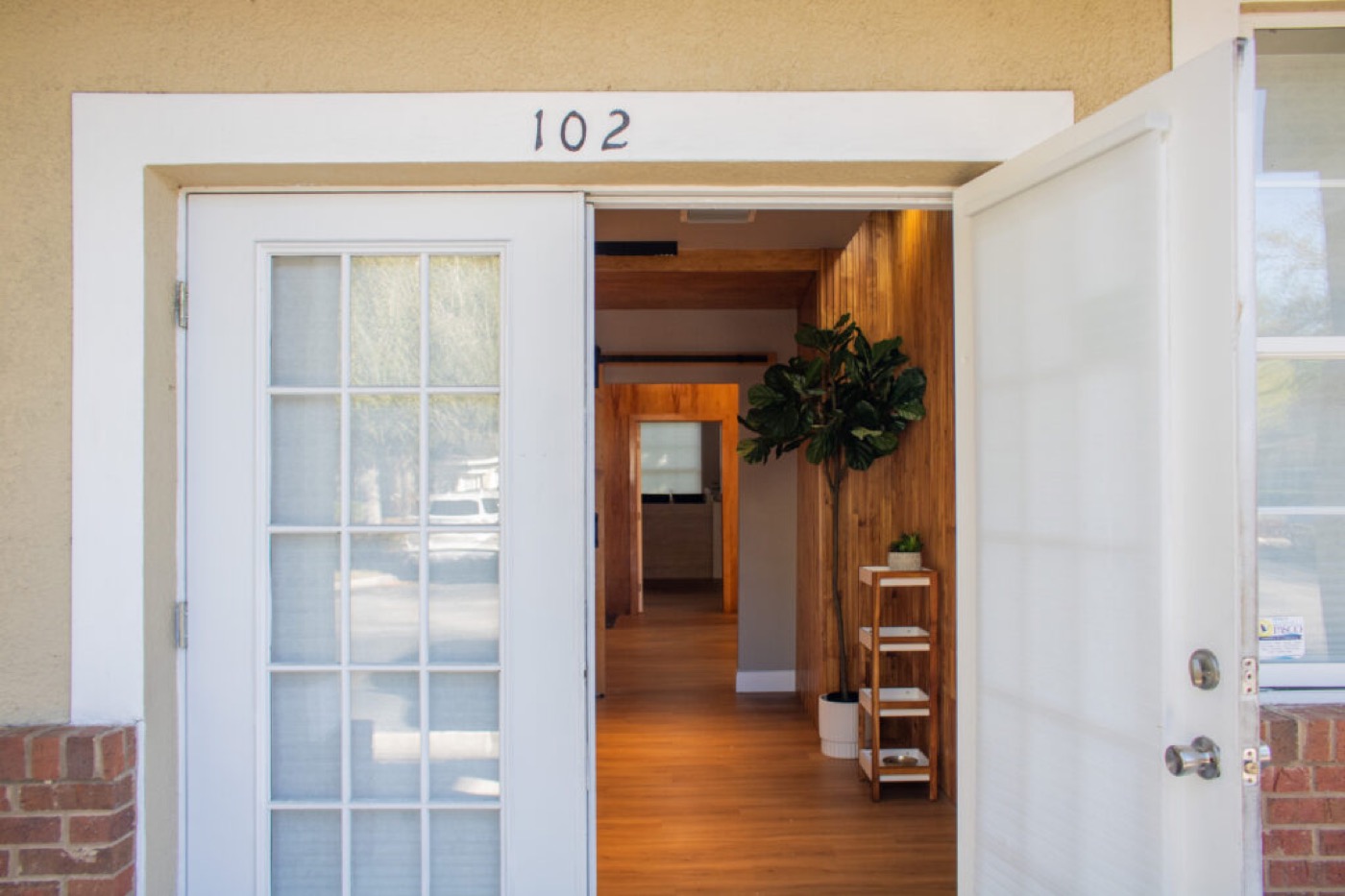 Actual Wesley Chapel office
In-person psychiatry Monday through Friday, 8:30 AM to 5:00 PM, with free on-site parking.
Suite 102, free parking directly outside, weekday hours from 8:30 AM to 5:00 PM. Bring photo ID, your insurance card, and a written list of medications. Allow about ninety minutes for a first visit including intake, and arrive ten minutes early so paperwork does not eat your appointment.
Getting in the door
Parking is on site and free, which sounds trivial until you have circled a hospital garage before a first psychiatric appointment. Suite 102 is on the ground level. There is no separate psychiatric entrance and no separate waiting area, which is deliberate: patients arriving for a physical, a therapy session, or a psychiatric follow-up all sit in the same room, and nobody can tell from the waiting area what anybody is there for.
What to bring
- Photo ID and your insurance card for the intake step.
- A written list of everything you currently take, including supplements and anything prescribed by another practice.
- Prior psychiatric medications with your best recollection of dose, duration, and what happened. This is the single most useful thing you can bring and it does not need to be perfect.
- Any recent lab work from an outside provider, if you have it on paper or in an app.
Timing the visit
The evaluation itself runs sixty to seventy-five minutes; add intake and allow about ninety in total for a first visit. Follow-ups run twenty to thirty minutes. If you want to stack a primary care appointment onto the same trip, say so when booking rather than on the day, because back-to-back slots exist but have to be arranged.
The alternative to coming in
Telehealth is available for every visit type and plenty of Wesley Chapel residents use it, including people who live ten minutes away and simply do not want to drive after work. Sessions run on Zoom for Healthcare under a signed Business Associate Agreement, which meets HIPAA's technical safeguards for protected health information, with the call encrypted. A backup phone number is collected before every visit; Florida permits audio-only when video is not feasible and you consent. Our Florida telehealth psychiatry program runs statewide with these same two providers.
Seen in person: Wesley Chapel (33543, 33544, 33545), Lutz, Land O Lakes, New Tampa, Zephyrhills, Odessa, Trinity, Dade City, San Antonio, and the surrounding Pasco County area. Seen by telehealth: anywhere in Florida, because licensure attaches to the state rather than the city.
When psychiatric care needs the rest of the building
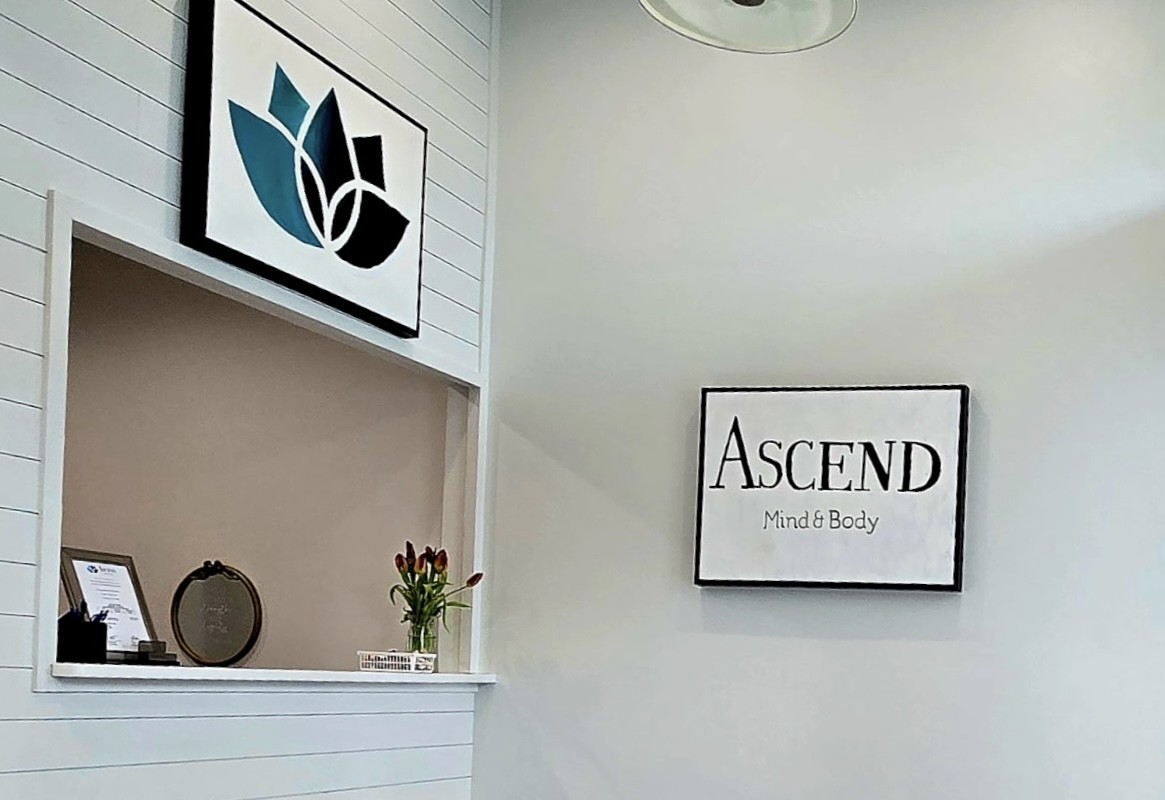 Actual Ascend office
Psychiatry, primary care, talk therapy, and ketamine therapy all operate from the Wesley Chapel flagship.
Five situations come up constantly in psychiatric care where a prescription alone is not the whole answer, and each of them is a handoff that usually goes wrong. Here is what each one looks like when the other service is in the same suite. No medication works for every person, and the plan is something you refine together rather than receive.
The medication needs monitoring bloodwork
Several mood stabilizers and a handful of other medications require baseline and periodic labs. The usual failure is an order sent to an outside lab, a result posted to a portal, and nobody circling back. Here the order goes to primary care in the same suite, the result lands in the same chart, and it gets reviewed with you in plain language at your next appointment rather than left for you to interpret alone.
Something might be medical rather than psychiatric
Thyroid dysfunction, anemia, vitamin deficiency, and untreated sleep apnea all produce something that looks convincingly like depression, and stimulant or thyroid effects can look convincingly like anxiety. Checking is not optional, and it is the step most likely to be skipped when it means sending someone to a different practice. Anna Stouffer's family medicine certification and primary care being down the hall are the two reasons that check happens here.
The plan needs therapy, not just a prescription
For moderate to severe depression the combination generally beats either component alone, and for PTSD and OCD the therapy is doing work no medication substitutes for. The usual failure is a referral out, a waitlist, and a prescriber who never learns whether therapy started. With talk therapy in the same building on the same records system, the prescriber can see that it is underway and adjust with that in view.
A controlled substance is part of the plan
Controlled-substance prescribing follows state and federal rules that get followed rather than worked around. Nothing is promised before an evaluation, and a prior prescriber's medication cannot simply be continued without our own assessment. Where stimulant medication is involved, periodic blood pressure and heart rate checks are part of responsible management, and having them done in the same building on the same visit is how that monitoring actually happens instead of being deferred indefinitely.
Two proper trials have not produced enough
The first move is re-examining the diagnosis, because unrecognized bipolar disorder, untreated PTSD, and undiagnosed sleep or thyroid problems all present as depression that will not lift. If the diagnosis holds, in-person ketamine therapy for treatment-resistant depression runs from this building rather than through a cold referral to a clinic that has never seen your notes. Ketamine is a Schedule III controlled substance. The ketamine used at Ascend is a compounded preparation that is not FDA-approved; no compounded medication is FDA-approved for any use. It is given under the supervision of a licensed prescriber for treatment-resistant depression and select indications. It is not a first-line option, individual responses vary, and it is a separate program from routine medication management.
What the appointment lengths are, and why
Initial evaluations run sixty to seventy-five minutes; follow-ups run twenty to thirty. The industry-standard ten or fifteen minute medication check is enough to confirm a dose and print a prescription and not much else. It is not enough to catch a side effect somebody assumed was unrelated, to notice a medication that was partially working before it got abandoned, or to leave room for the thing a patient needs four minutes to work up to saying. Co-location removes the gaps between services; appointment length removes the gaps inside one.
Choosing between the room and the screen
This is the only Ascend location where the choice is genuinely open for every visit, and neither option costs you a later start date.
The American Psychiatric Association has published guidance affirming telepsychiatry as an appropriate way to deliver outpatient psychiatric care to most adults, so this is not a question of one being real care and the other not. It is a question of fit, and the honest version is that fit varies by person and by visit rather than by principle.
Reasons people choose the room
- A first evaluation where being physically present makes it easier to say difficult things.
- A visit that also needs vitals, an exam, or same-day bloodwork from primary care.
- Stacking a psychiatric follow-up with another appointment on one trip.
- No private space at home, or a household where a confidential call is not realistic.
Reasons people choose the screen
- Work that cannot absorb a two-hour round trip for a twenty-five-minute follow-up.
- Caregiving, mobility, or transport constraints that make a drive the deciding factor.
- Living outside Pasco, since the same two providers cover the whole state on video.
- Simply preferring it, which is a sufficient reason and does not need defending.
What video genuinely cannot do
A physical exam when one is indicated, a blood draw, and a hands-on safety assessment during an acute crisis, which belongs in an emergency department rather than a scheduled call. That list is shorter than people expect and it is the whole list. Everything else, the diagnostic interview, the medication conversation, the symptom review, and the working relationship, transfers.
The Florida rule that applies either way
Florida licensure requires you to be physically located in the state during a telehealth visit, and your provider confirms it at the start of each session. It turns on where you are sitting rather than where you live, so travel out of state means rescheduling rather than logging in from elsewhere. Sessions run on Zoom for Healthcare under a signed Business Associate Agreement meeting HIPAA's technical safeguards for protected health information, with the call encrypted, and a backup phone number is taken beforehand so a dropped connection becomes a phone visit rather than a lost appointment.
Coverage, and what one chart across services changes
In network for psychiatry: Aetna, Cigna, UnitedHealthcare, TRICARE, ChampVA, and Oscar Health Plan. Anything else is out of network and runs through a superbill you submit yourself. Benefits are verified on the first call before a date is offered.
The thing to check per service, not per practice
A detail that catches people specifically at a multi-service practice: network status is determined per service line and per plan, so being covered here for primary care does not automatically mean the same for psychiatry, and the reverse holds too. Many plans carve behavioral health out to a separate administrator with its own network and its own rules, even though the card shows only the main carrier. Look on the back of your card for a separate behavioral health phone number. If one is printed, that is the number that governs psychiatric coverage. When you call, ask about each service you intend to use rather than about the practice as a whole.
What a shared chart does and does not affect
Having primary care, psychiatry, and therapy in one organization does not merge them for billing. Each visit is billed as its own service under its own codes, and using two services in one trip means two claims rather than one discounted visit. What the shared chart does affect is clinical, not financial: fewer duplicate labs, fewer records requests, and fewer interaction checks done blind. Worth being clear about, because integrated care is sometimes marketed as though it saves money, and here the honest claim is that it saves information.
Superbills, described accurately
Out of network means paying at the time of service and receiving an itemized document listing the diagnosis code, procedure code, date, and amount, which you submit to your insurer yourself. Reimbursement is not promised. PPO and POS plans typically carry out-of-network behavioral health benefits; HMO plans typically do not. Your plan sets the percentage and any separate out-of-network deductible. One question before booking: what are my out-of-network outpatient mental health benefits.
Military and veteran coverage in Pasco
TRICARE and ChampVA are both in network for psychiatry here. Pasco County has a substantial retiree and veteran population, and community care and behavioral health referrals do not always cover what people expect. Mention your coverage on the first call so the coordinator can verify plan option and any referral or authorization requirement before scheduling rather than after.
Your Pasco County options, compared
The comparison that matters here is not video versus in person. It is whether the services around your psychiatric care are connected to it.
| Option | Psychiatry and therapy connected | Labs and medical rule-outs | Next step if two trials fail |
|---|---|---|---|
| Ascend Wesley Chapel flagship | Same building, same chart | Primary care in the same suite | Handled in house with your full record |
| Single-service psychiatry practice | Referral out, then a waitlist | Ordered, then chased separately | Cold referral elsewhere |
| National telehealth psychiatry brand | Separate platform, if offered at all | Sent to whatever lab you can find | No in-person pathway anywhere |
| Hospital-affiliated outpatient psychiatry | Often yes, within the system | Yes, within the system | Yes, if you can wait for the appointment |
A large hospital system offers the same integration and more depth, and is genuinely the right answer for complex cases, provided the wait is acceptable to you. A single-service practice can be excellent at the one thing it does. A national video brand is quick to join and structurally cannot offer any of this. What is on offer here is a small practice with the services already connected and a start date measured in days.
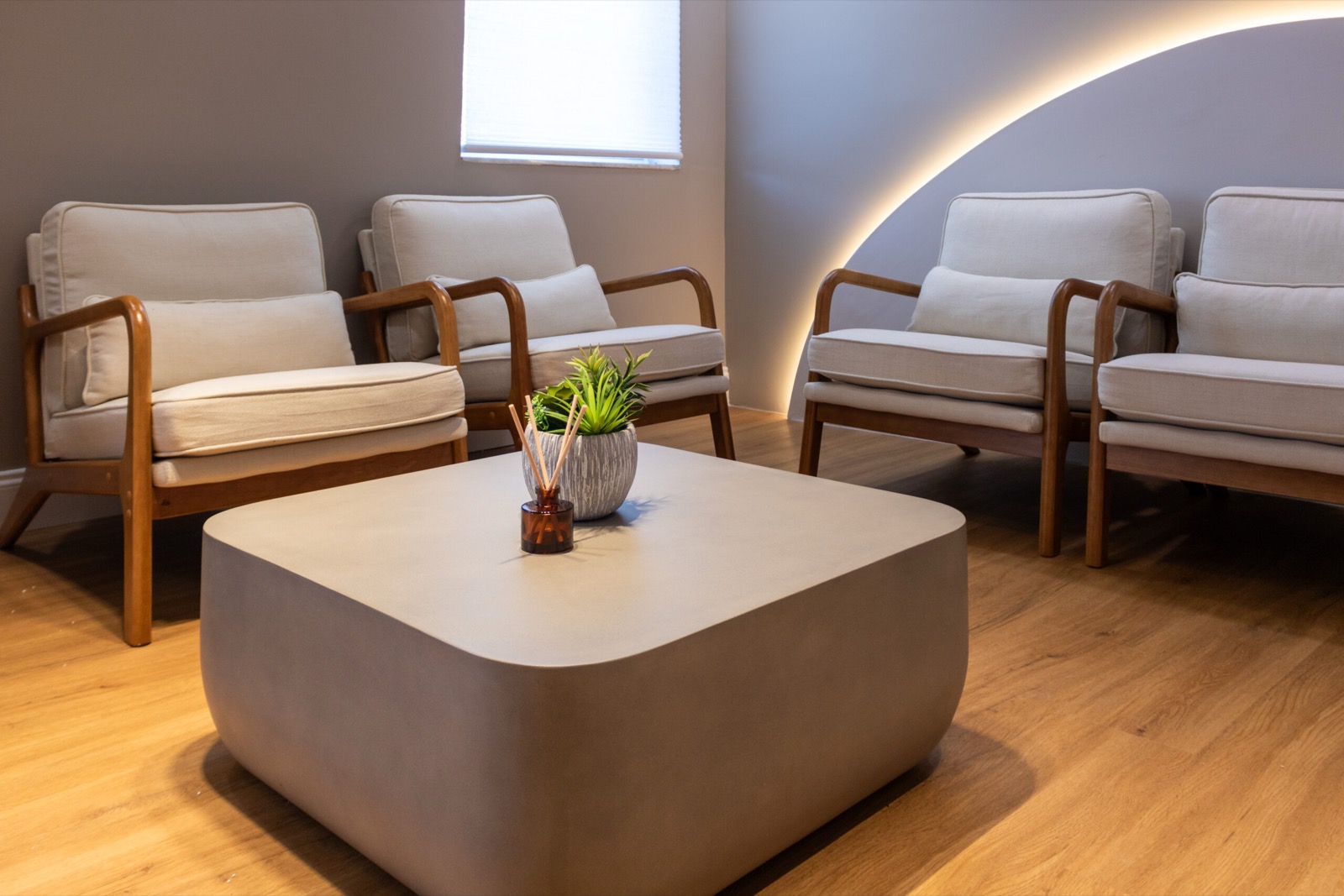 Actual waiting area
One shared waiting area for primary care, psychiatry, and therapy patients at the Cashford Circle flagship.
Getting to the flagship from Pasco and north Hillsborough
27724 Cashford Circle, Suite 102, Wesley Chapel, FL 33544, just off the SR 56 and I-75 corridor with free on-site parking. Weekdays 8:30 AM to 5:00 PM. For anyone in Pasco or north Hillsborough this is a short trip; for everyone else in Florida the same two providers are available by video.
Ascend Mind and Body, Wesley Chapel
27724 Cashford Circle, Suite 102
Wesley Chapel, FL 33544
Psychiatry: (813) 670-3005
Hours: Monday through Friday, 8:30 AM to 5:00 PM. Free parking on site. Get directions.
Approximate drive times
| Starting from | Approximate drive |
|---|---|
| Wesley Chapel and Seven Oaks | Under 10 minutes |
| Lutz and Land O Lakes | About 15 to 20 minutes |
| New Tampa and Tampa Palms | About 10 to 15 minutes |
| Zephyrhills | About 20 to 30 minutes via SR 54 |
| Odessa and Trinity | About 30 to 40 minutes via SR 54 |
| Dade City and San Antonio | About 25 to 35 minutes |
| Carrollwood and north Tampa | About 20 to 30 minutes |
The practical upshot for Pasco residents is that in-person psychiatric care is genuinely available here rather than nominally available, which is not true in most of the state. That said, plenty of patients who live within fifteen minutes still do their follow-ups on video, and nobody treats that as the lesser option.
Pasco County and surrounding areas served: Wesley Chapel, Seven Oaks, Meadow Pointe, Lutz, Land O Lakes, Zephyrhills, Dade City, San Antonio, Odessa, Trinity, New Port Richey, Hudson, plus New Tampa and north Hillsborough. Florida licensure covers the whole state for telehealth, so a drive is never a condition of being seen.
Related care: psychiatry for Tampa, Florida telehealth psychiatry, talk therapy in this building, and everything else at the Wesley Chapel office.
What one roof does not fix
Co-location closes the gaps between services. It does not change what medication can do, it does not make a nurse practitioner a physician, and it does not turn this into a level of care it is not. Psychiatric medication helps a great many people and is not certain to help any particular person.
Everything on this page argues that connected services beat disconnected ones, and that argument is true. It is also limited, and being clear about the limit is more useful than another paragraph about integration. Response to psychiatric medication still varies with diagnosis, history, and biology. Antidepressants still take weeks. Some medications still require ongoing bloodwork, and controlled substances still carry rules we follow rather than negotiate. The parts genuinely within our control are the accuracy of the diagnosis, the fit between the medication and your particular presentation, and appointments long enough to catch what a rushed one misses. Being in one building helps those; it does not replace them.
Three things co-location specifically does not do
- It does not make this a higher level of care. Primary substance use disorder treatment, active psychosis, and eating disorders needing medical monitoring belong somewhere with capabilities this practice does not have, regardless of how many services share a hallway.
- It does not add psychological testing. Neuropsychological and psychological testing is not offered anywhere in the organization. If that is what you need, you need a psychologist, and you will be told so.
- It does not add a physician psychiatrist. There is no MD or DO on the psychiatric side. For a presentation that has already resisted several well-run treatment courses, or one tangled up in serious medical illness, that can matter, and we will say so rather than keep you.
When to raise changing the plan
- An adequate trial has run and the symptoms you came in for have not shifted.
- Side effects have started outweighing whatever benefit is there.
- Something new has appeared, or something existing has escalated, since the last visit.
- You have started editing what you tell your provider about how it is really going.
None of those mean the care has failed. They mean this dose or this medication has, and adjusting is ordinary rather than exceptional.
If it is urgent right now
Call or text 988 for the Suicide and Crisis Lifeline, any hour. If there is immediate physical danger, call 911 or go to the nearest emergency department. A scheduled appointment, in this building or any other, is not the instrument for a crisis already in progress.
FAQs about psychiatry in Wesley Chapel
Mostly about the building, the services in it, and where the limits are.
What makes the Wesley Chapel office different from Ascend's other locations?
It is the only one where psychiatry, primary care, talk therapy, and ketamine therapy all operate from the same suite on the same records system. That does not make the psychiatry itself different; it removes the handoffs between services, which is where care most often falls apart. The Tampa office hosts primary care and talk therapy, and Lakeland is a separate office; neither has all four together.
Can I do a psychiatric visit and a primary care visit on the same trip?
Often yes, but the back-to-back slots have to be arranged when you book rather than requested on the day. Say so on the phone. Each visit is still billed as its own service under its own codes, so combining them saves you a trip rather than money.
Does using two Ascend services mean one combined bill?
No. Network status and billing are determined per service line, so each visit is billed separately under its own codes. Being covered here for primary care also does not automatically mean covered for psychiatry, and vice versa. When you call your insurer, ask about each service you plan to use rather than about the practice as a whole.
What should I bring to a first in-person appointment?
Photo ID, your insurance card, and a written list of everything you currently take including supplements. Most useful of all: prior psychiatric medications with your best recollection of dose, duration, and what happened. It does not need to be precise. Allow about ninety minutes in total for a first visit and arrive ten minutes early so intake does not eat into the appointment.
Is parking difficult?
No. Parking is free and on site directly outside the building, and Suite 102 is on the ground level. There is one shared waiting area for primary care, psychiatry, and therapy patients, which is deliberate: nobody in that room can tell what anybody else is there for.
Does choosing an in-person visit mean waiting longer for an appointment?
No. Both providers hold their in-person schedule in this building, so the room and the video call draw from the same calendar. Choosing to come in does not push your start date out. That is worth knowing because at many practices the in-person slot is the scarce one and people settle for video believing it is the only fast option.
Why is it hard to find a psychiatrist in Pasco County at all?
Wesley Chapel, Land O Lakes, and the SR 54 and SR 56 corridor have added an enormous number of residents in a short time, and behavioral health capacity has not kept pace. Full panels and long queues are the local consequence. No single practice fixes that; what a practice can do is be honest about whether it currently has room.
Is there a physician psychiatrist at the flagship?
No. Both are board-certified Psychiatric Mental Health Nurse Practitioners, PMHNP-BC, licensed in Florida as Advanced Practice Registered Nurses with prescriptive authority including controlled substances when clinically appropriate. There is no MD or DO on the psychiatric side of this practice. Co-location does not change that, and we are not going to imply otherwise.
What does having primary care in the same suite actually change clinically?
Three things mainly. Monitoring bloodwork gets ordered and reviewed inside one chart rather than chased across two practices. Medical conditions that imitate psychiatric ones, thyroid dysfunction, anemia, vitamin deficiency, untreated sleep apnea, get checked rather than mentioned and forgotten. And medication interactions across your full prescription list get examined by someone who can see all of it.
Do I have to use Ascend for primary care to be seen for psychiatry?
Not at all. Plenty of psychiatric patients keep their existing primary care provider elsewhere, and in that case we request records or send a treatment summary with your written consent so nobody is managing your physical health unaware of a new psychiatric medication. Co-location is available, not required.
How does therapy in the same building work with medication?
For moderate to severe depression, medication combined with psychotherapy generally outperforms either alone, and for PTSD and OCD the therapy is doing work no prescription substitutes for. With talk therapy on the same records system, your prescriber can see that therapy is actually underway and adjust with that in view rather than managing symptoms blind.
Which plans are in network here, and does it differ by service?
For psychiatry: Aetna, Cigna, UnitedHealthcare, TRICARE, ChampVA, and Oscar Health Plan. Network status is set per service line, so psychiatry and primary care are worth checking separately. Plan terms vary, so benefits are verified on your first call before scheduling. Anything else is out of network, meaning payment at the time of service and an itemized superbill you submit to your insurer yourself.
I am a veteran or military retiree in Pasco. Does that work here?
TRICARE and ChampVA are both in network for psychiatry. Pasco has a large retiree and veteran population, and behavioral health referrals do not always cover what people expect them to. Mention your coverage on the first call so the coordinator can verify your plan option and any referral or authorization requirement before you are scheduled.
Can I switch between in-person and video visits?
Freely, and without renegotiating anything. A common pattern is an in-person first evaluation, because that is the visit people most want in a room, followed by video for routine follow-ups and an occasional in-person visit when something warrants it. Another common pattern is video throughout. Both are fine.
Do I have to be in Florida for a telehealth appointment?
Yes. Florida licensure requires you to be physically located in the state during the session, confirmed by your provider at the start each time. It depends on where you are sitting rather than where you live, so travel out of state means rescheduling rather than logging in from somewhere else.
How long are appointments?
Initial evaluations run sixty to seventy-five minutes and follow-ups run twenty to thirty. The common ten or fifteen minute medication check is enough to confirm a dose and print a prescription, and not enough to catch a side effect somebody assumed was unrelated or to leave room for the thing a patient needs several minutes to work up to saying.
What happens if two medications have not worked?
The first step is re-examining the diagnosis, because unrecognized bipolar disorder, untreated PTSD, and undiagnosed sleep or thyroid problems all present as depression that will not lift. If the diagnosis holds, the next conversation happens with a provider who already has your full record rather than through a referral to a clinic that has never seen your notes.
Is ketamine therapy available here, and who is it for?
It runs from this building, provided in person by Anna Stouffer, for a small number of patients whose depression has not responded adequately to standard antidepressant trials. Ketamine is a Schedule III controlled substance. The ketamine used at Ascend is a compounded preparation that is not FDA-approved; no compounded medication is FDA-approved for any use. It is given under the supervision of a licensed prescriber for treatment-resistant depression and select indications. It is not a first-line option, individual responses vary, and eligibility is determined by clinical evaluation.
What is outside this practice's scope even with everything in one building?
Primary substance use disorder treatment, active psychosis, and eating disorders requiring medical monitoring all need a higher level of care than this practice provides, and psychological or neuropsychological testing is not offered anywhere in the organization. Co-location does not change any of that, and you will be told on the first call rather than after several appointments.
Start where the whole practice already is
Tell us what is going on and we will match you to Anna or Margot and check the soonest opening across both. Most new patients are scheduled within the week, in person at the Wesley Chapel flagship or by Florida telehealth statewide.
In crisis right now? Call or text 988 anytime. Psychiatry appointments are not an emergency service.