
The GLP-1 weight loss clinic in Tampa that starts with labs, not a questionnaire.
Physician-supervised semaglutide and tirzepatide run out of family medicine at our Carrollwood office: real workup, a real contraindication screen, and the same prescriber at every dose change.
- Physician-led, not a med-spaDr. Jason Saylor, DO oversees your workup, titration, and every dose change.
- Labs before any prescriptionHbA1c, a metabolic panel, lipids, thyroid, and a real contraindication screen come first.
- Carrollwood office or FL telehealthIn-person evaluation to start, Florida telehealth follow-ups once you are established.
Free · Confidential
Request a callback
A weight-loss coordinator calls you within one business day. No cost, no obligation.
Got it. We will be in touch.
A weight-loss coordinator will reach out within one business day. If you would rather not wait, call (813) 670-3331.

The prescription is the last step, not the first.
A GLP-1 is a real medication with real contraindications. A five-minute questionnaire cannot tell whether it is safe for you. A workup can, and that is where we start.
Request a callbackTampa has more weight-loss clinics per square mile than almost any Florida city, and most sell the shot with little more than a form.
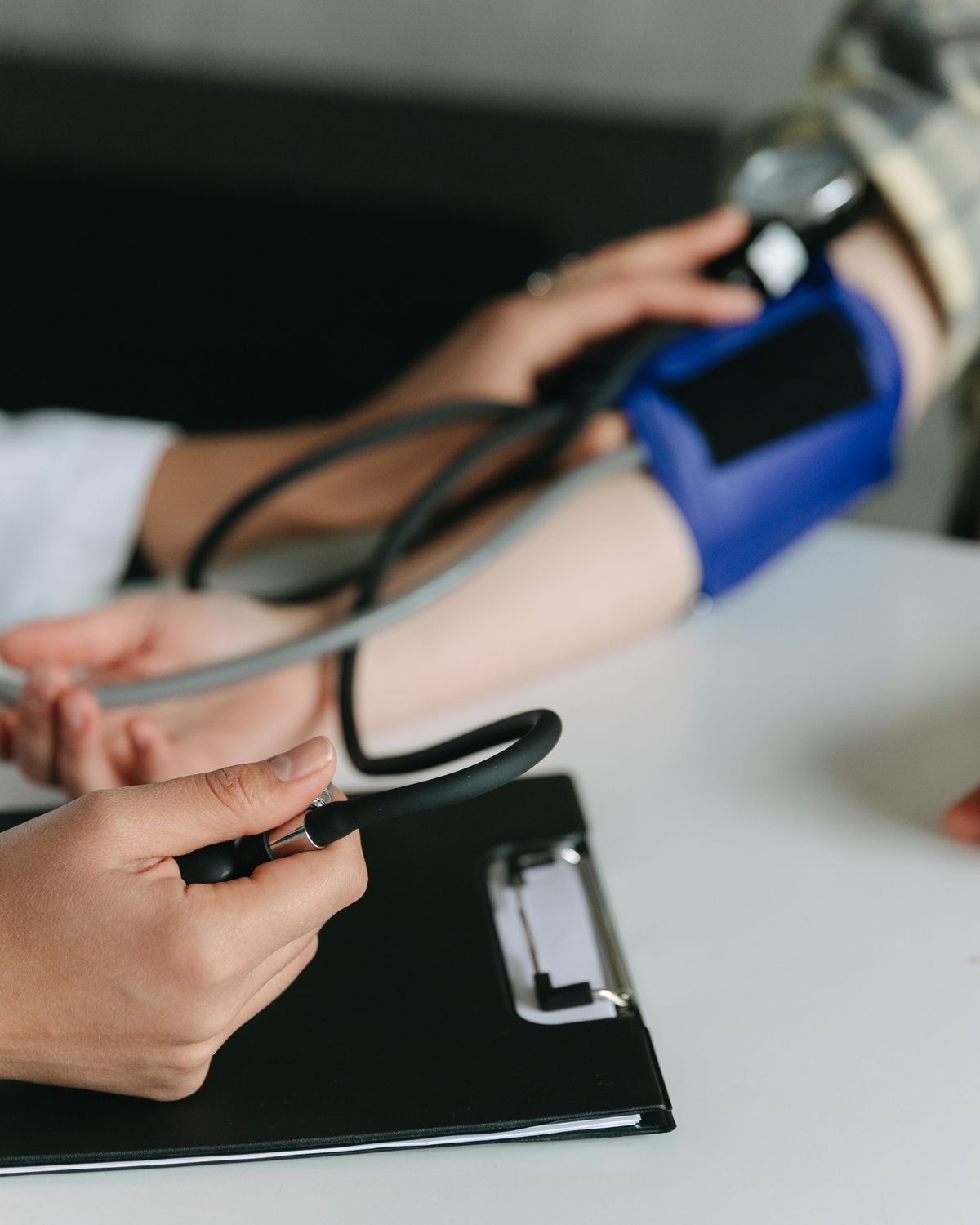
GLP-1 weight loss in Tampa works better, and is safer, when it starts with labs and a real physician instead of a five-minute video intake. Ascend runs medical weight loss out of family medicine at our Carrollwood office: HbA1c, lipids, a comprehensive metabolic panel, a thyroid screen, a contraindication review, and a follow-up cadence built around your dose titration, not a shipping schedule. Dr. Jason Saylor, DO is the prescriber for semaglutide and tirzepatide, seeing patients in person at Carrollwood and by Florida telehealth for established follow-ups. Call (813) 670-3331 or book online.
Semaglutide and tirzepatide are effective tools for chronic weight management in adults who meet clinical criteria. They are also prescription medications with real contraindications and real side effects, not a shortcut that works the same way for everyone. Most Tampa GLP-1 programs are subscription clinics, aesthetics bars, and online telehealth-only services that will ship a vial after a questionnaire. That model can work for a healthy, low-risk patient. It is a worse fit for anyone with diabetes, thyroid disease, kidney disease, a complicated medication list, or a history that actually needs a physician's judgment before adding a new hormone-pathway drug.
What that means in practice at our Tampa office: labs come before the prescription, eligibility is a real screen and not a box you check, you see the same prescriber at every dose adjustment, coverage and self-pay options are discussed out loud before you commit, and we are honest about the ceiling. GLP-1 medications do not deliver a fixed number on the scale. Trial averages exist; your result depends on dose tolerance, adherence, and what you build around the medication.
How GLP-1 medications actually work
 Actual Carrollwood office
The medication reduces appetite and slows stomach emptying. What you build around it: nutrition, movement, sleep, decides how far it takes you.
GLP-1 medications mimic a natural gut hormone that slows how fast your stomach empties, increases fullness, and helps regulate blood sugar. Tirzepatide adds a second hormone target (GIP), which is part of why it showed larger average weight loss in trials. They reduce appetite; they do not override the need for protein, movement, and follow-up.
GLP-1 is a hormone your gut releases after you eat. GLP-1 receptor agonist medications like semaglutide mimic it: they slow gastric emptying so you feel full longer, dampen the appetite signals that drive between-meal eating, and improve the way your body handles blood sugar. Tirzepatide is a dual agonist, activating both the GLP-1 and GIP receptors, which is one reason its trial participants lost more weight on average than semaglutide participants did.
Here is the honest part most Tampa marketing leaves out: because the medication works largely by making you eat less, the first 4 to 8 weeks and the days after each dose increase are when appetite and stomach changes are most noticeable, which is exactly when a lot of people under-eat protein and lose muscle along with fat. That is why this is a monitored medical program, not a mail-order subscription. Your prescriber adjusts the pace based on how you are tolerating it, and coaches the nutrition and movement that protect your results.
The terms, in plain language
- Semaglutide: acts on a single gut-hormone pathway (GLP-1).
- Tirzepatide: acts on two gut-hormone pathways (GLP-1 and GIP).
- Titration: the gradual, step-by-step dose increase over weeks that lets your body adjust and keeps side effects manageable.
- Contraindication: a specific history that makes the medication unsafe or inappropriate for a given person.
- BMI: a weight-to-height ratio used as a screening threshold in FDA labeling. It is a starting point for the eligibility conversation, not the whole clinical picture.
Who is a candidate, and who is not
FDA labeling for weight management generally covers adults 18 and older with a BMI of 30 or higher, or 27 or higher with a weight-related condition. A documented list of contraindications rules candidacy out regardless of BMI, which is exactly why the screen happens before, not after, a prescription.
Who is generally a candidate
- Adults 18 and older with a BMI of 30 or higher (obesity), or
- Adults with a BMI of 27 or higher plus at least one weight-related condition: type 2 diabetes, hypertension, dyslipidemia, or obstructive sleep apnea
- No disqualifying personal or family medical history (see below)
- Willing to attend an in-person evaluation and follow-up visits during titration
Who we generally do not prescribe to
- Personal or family history of medullary thyroid carcinoma or MEN2 syndrome (multiple endocrine neoplasia type 2)
- History of pancreatitis
- Severe gastroparesis or other significant gastrointestinal motility disease
- Pregnancy, breastfeeding, or actively planning pregnancy
- An active eating disorder
- Known hypersensitivity to semaglutide, tirzepatide, or a formulation's inactive ingredients
We also look at what else is driving your case before deciding a GLP-1 is the right tool. Because Ascend runs primary care and psychiatry under one roof, we can see the whole picture: several common psychiatric medications, including certain atypical antipsychotics, mirtazapine, and some mood stabilizers, are well documented to drive weight gain. If you take one of these, sometimes the more effective first step is adjusting the psychiatric medication with your prescriber's input, and sometimes a GLP-1 alongside continued treatment is the right combination. A weight-loss-only vendor that never sees your full medication list cannot make that call. The point of the workup is to find out what is actually going on before deciding what to do about it, not to hand out a prescription because you asked for one.
Ready for a real medical weight loss program?
Workup first, treatment matched to your case, and the same physician at every dose change. The first conversation is information, not a commitment.
In person at Carrollwood or by Florida telehealth statewide for established patients.
Labs, monitoring, and how the program works
Expect one in-person evaluation with labs before anything is prescribed, then a follow-up every 4 to 6 weeks while your dose increases.
 Actual waiting area
The workup is a real one: HbA1c, fasting glucose, a comprehensive metabolic panel for kidney and liver function, a lipid panel, and a TSH, plus history-driven markers. It exists to confirm you are a safe candidate and to catch what a weight-loss-only clinic never screens for, such as undiagnosed thyroid disease or prediabetes.
-
1
Visit 1: evaluation and labs, in person
About 45 minutes. We cover your weight history, lifestyle, and full medication list, do a focused exam, then order labs: HbA1c and fasting glucose to check for prediabetes or type 2 diabetes, a comprehensive metabolic panel for kidney and liver function, a lipid panel for cardiovascular risk, and a TSH, because thyroid disease drives weight changes and is often missed.
-
2
Visit 2: results and the decision
Once labs are back, we review them together, confirm candidacy, and walk through options: semaglutide versus tirzepatide, brand versus the current legal state of compounding, what your plan actually covers, and the real self-pay landscape for your situation. If you are a candidate, we start the lowest dose and set the titration schedule.
-
3
Follow-up: every 4 to 6 weeks during titration
We check tolerance, side effects, weight trend, and adjust the pace of dose increases if needed. Once you reach a stable maintenance dose with side effects controlled, visits space out. Florida telehealth follow-ups are available for established patients between in-person checks.
-
4
A screen for contraindications, every case
Before any prescription, we review your personal and family history for medullary thyroid carcinoma, MEN2 syndrome, pancreatitis, severe gastroparesis, gallbladder disease, and eating disorders. Contraindications exist because they represent real risk, not paperwork.
Medical weight loss versus the med-spa subscription model
The medication in the syringe can be identical between a med spa and a medical practice. The difference is everything that happens before and after the injection.
| What happens | Typical subscription med spa | Ascend medical weight loss |
|---|---|---|
| Intake | Online questionnaire, sometimes no live visit at all | In-person history, exam, and weight-trajectory review at Carrollwood |
| Labs before prescribing | Often none, or a limited self-reported panel | HbA1c, fasting glucose, CMP, lipid panel, TSH, plus history-driven markers |
| Contraindication screening | Usually a checklist question, not a clinical review | Reviewed against personal and family history by the prescribing physician |
| Who prescribes | Varies by visit; often a different clinician each time | Dr. Jason Saylor, DO, the same physician throughout your care |
| Medical record | Usually isolated to one vendor's app | Part of your Ascend chart, connected to your primary care |
| Follow-up cadence | Tied to shipping schedule, not clinical response | Every 4 to 6 weeks through titration, based on your response |
| Medication source | Frequently compounded product | FDA-approved brand by default; compounding only for a documented individual need |
Semaglutide vs tirzepatide, and the honest 2026 picture on compounding
Tirzepatide activates two gut-hormone receptors instead of one and showed larger average weight loss in trial data, but semaglutide has a longer track record and broader insurance familiarity and is the right choice for many patients. The choice comes down to your history, side-effect tolerance, insurance formulary, and cost, not a single "better" answer.
Semaglutide is a GLP-1 receptor agonist alone. Tirzepatide is a dual GLP-1 and GIP receptor agonist, which is part of why SURMOUNT-1 participants lost more weight on average than STEP 1 participants lost on semaglutide, though the two trials were not run head-to-head in the same population. We walk through both at your second visit, matched to your history and coverage rather than to whatever a program happens to stock.
Brand versus compounded: what changed in 2026
Mass compounding of copycat semaglutide and tirzepatide is no longer broadly legal now that the FDA has declared both shortages resolved. The FDA determined the tirzepatide injection shortage resolved in December 2024 and the semaglutide injection shortage resolved in February 2025. Federal law allows large-scale compounding of a copy of an approved drug only while that drug is officially in shortage. Once a shortage ends, compounding pharmacies and outsourcing facilities were given wind-down deadlines through the first half of 2025, with narrow exceptions that require a documented individual medical need, such as a genuine allergy to an inactive ingredient or a specific dose not commercially available.
We default to commercially manufactured medication and only discuss a compounded formulation when there is a documented clinical reason and it is sourced from a legitimate, licensed pharmacy. If a Tampa program is still marketing broad, low-cost "compounded semaglutide" for everyone in 2026 without an individualized reason, ask them directly how that squares with the FDA's resolved-shortage determination. A program that cannot answer that plainly is telling you something.
A typical titration schedule
Dose increases follow FDA prescribing information, not a fixed calendar. Your actual pace may be slower if side effects require it.
| Weeks | Semaglutide | Tirzepatide |
|---|---|---|
| 1 to 4 | 0.25 mg weekly | 2.5 mg weekly (start) |
| 5 to 8 | 0.5 mg weekly | 5 mg weekly |
| 9 to 12 | 1 mg weekly | 7.5 mg weekly |
| 13 to 16 | 1.7 mg weekly | 10 mg weekly |
| 17 to 20 | 2.4 mg (maintenance) | 12.5 mg weekly |
| 21+ | 2.4 mg maintained | 15 mg weekly (max, if tolerated) |
This is the standard step-up pattern for the two most common weight-management formulations. The whole reason follow-up visits exist is so the pace can slow when your body needs it to, rather than pushing a fixed schedule that a shipping subscription cannot adjust.
Side effects, and how we monitor them
Nausea, mild constipation, and appetite loss are common and usually improve with slower titration. Serious but less common risks include gallbladder disease and pancreatitis. That is why follow-up visits exist. A program that never asks how you are tolerating the medication between refills is not monitoring you.
The first 4 to 8 weeks, and the week or two after each dose increase, are typically the hardest. Most gastrointestinal side effects are dose-dependent and respond to slowing the titration pace, adjusting meal size and composition, and staying ahead of hydration.
Common side effects
- Nausea, especially in the first weeks and after a dose increase
- Mild constipation or diarrhea
- Reduced appetite and early fullness
- Occasional reflux and fatigue in the first weeks
Most of these are dose-dependent and improve when we slow the titration pace or adjust how you eat. They are the reason the schedule is a guide, not a mandate.
Less common but important
- Gallbladder issues, including gallstones, particularly with rapid weight loss
- Dehydration from persistent gastrointestinal symptoms
- Injection-site reactions
These are the reasons we ask how you are actually doing between visits and adjust when something is not settling.
Rare but serious
- Pancreatitis
- Severe allergic reaction
- Worsening of diabetic retinopathy in some patients with type 2 diabetes (semaglutide specifically)
- Bowel obstruction in patients with prior gastrointestinal surgery
We review your history for the conditions that raise these risks before prescribing, and we tell you which symptoms mean stop the medication and call us.
Nutrition and muscle while titrating
Appetite suppression makes it easy to under-eat protein and lose muscle along with fat. We coach the specifics at every follow-up:
- Protein first at each meal, because you may only finish a small portion.
- Fiber and fluids together, the most common fix for GLP-1 constipation.
- Smaller, less rich meals, the most common way to avoid nausea and reflux after a dose increase.
- Resistance exercise, not just cardio, because two short sessions a week measurably help preserve muscle during rapid weight loss.
We check in every 4 to 6 weeks during titration specifically so a side effect that is not tolerable gets addressed quickly, whether that means holding the current dose, slowing the next increase, or, in some cases, stopping the medication altogether.
What the research shows, and what maintenance really looks like
In large randomized trials, semaglutide produced roughly 15 percent average body weight loss over 68 weeks and tirzepatide produced roughly 20 to 22 percent. Most of that weight returns within a year if the medication is stopped without other changes. These are trial averages across large groups, not individual promises.
The STEP 1 trial (semaglutide 2.4 mg, adults with obesity or overweight plus a weight-related condition) reported average weight loss of about 14.9 percent of baseline body weight at 68 weeks versus 2.4 percent with placebo (Wilding JPH, et al. N Engl J Med. 2021;384(11):989-1002). The SURMOUNT-1 trial (tirzepatide, similar population) reported average weight loss up to about 20.9 percent at the highest dose over 72 weeks (Jastreboff AM, et al. N Engl J Med. 2022;387(3):205-216). A follow-up analysis of semaglutide discontinuation found participants regained roughly two-thirds of their lost weight within a year of stopping and returning to standard care.
That last finding is why we treat weight as a chronic condition. Reaching a goal weight is not the end of the program; GLP-1 medications generally need to be continued, at some dose, to hold the result, similar to how blood pressure medication holds a blood pressure result. Some patients and prescribers try a slow, monitored dose reduction once a goal is stable and sustained for several months; others stay on a steady maintenance dose indefinitely. There is no universal right answer. It is a conversation between you and Dr. Saylor based on how you got there, how you are doing on the medication, and your goals beyond the number on the scale. We build lifestyle work into the visits from day one instead of treating it as an afterthought, because the medication is a tool that works while you are on a monitored plan, not a permanent fix on its own.
Dr. Jason Saylor, DO, and why this runs through family medicine
Weight, blood sugar, blood pressure, cholesterol, thyroid function, and mood are connected systems. Treating weight loss as an isolated product tends to miss what is actually driving a patient's case. Ascend is a multi-specialty family medicine, psychiatry, and therapy practice first; GLP-1 weight loss is one service inside that, not the entire business model.
- Board-certified osteopathic family medicine
- 17 years clinical experience
- Chief Medical Officer at Ascend
- Same prescriber every visit
Dr. Jason Saylor, DO is a board-certified osteopathic family medicine physician with 17 years of clinical experience, serving as Chief Medical Officer at Ascend. His clinical scope explicitly includes weight loss management, chronic disease management (diabetes, hypertension, hyperlipidemia, thyroid disease), and preventive medicine, the full picture that medical weight loss work requires. He sees Tampa patients in person at the Carrollwood office and by Florida telehealth for established follow-ups. He is the same physician who reviews your labs, sets your titration schedule, and signs off on every dose change, rather than a rotating panel of remote providers.
That distinction shows up in practical ways: your GLP-1 workup can catch an undiagnosed thyroid problem or prediabetes that a weight-loss-only clinic would never screen for, your prescriber can see your full medication list including psychiatric medications in the same chart, and if a GLP-1 turns out not to be the right tool, the same visit can pivot to addressing what actually is driving the case, whether that is a sleep disorder, a mood disorder, or an untreated metabolic condition. A single-purpose weight-loss subscription cannot do that by design, because there is no broader medical practice behind it.
Conditions we manage alongside weight
- Type 2 diabetes, where GLP-1 medications often address weight and blood sugar together
- Hypertension tied to weight, with coordinated medication review
- Dyslipidemia and metabolic syndrome, where lipids often improve with weight loss
- Prediabetes, fatty liver disease, and obstructive sleep apnea, all commonly intertwined with weight
- Preventive care screenings, since weight management is part of cardiovascular risk reduction
For men whose picture includes low testosterone, see TRT in Tampa; for full chronic disease management, see Tampa primary care.
Six questions to ask any GLP-1 provider, including us
Before you book anywhere in Tampa, ask these and judge the answer, not just the price.
- 1
Will I have labs drawn before you prescribe?
"No," or "only if you want them," means the program is skipping a real eligibility and safety screen.
- 2
Will the same person see me every visit?
Continuity matters when a medication is titrated based on your response.
- 3
What happens if I have a bad reaction between visits?
A real practice has a documented process. A shipping-based subscription often does not.
- 4
Is this brand or compounded, and why?
Given the 2025 shortage resolutions, a program defaulting everyone to compounded product should be able to explain that choice.
- 5
Does this integrate with my other care?
If you have diabetes, a mood disorder, or heart disease, a weight-loss-only vendor is missing part of the picture.
- 6
What will I actually owe, confirmed before I commit?
Vague "it depends" answers that never resolve are a signal, not a formality.
 Illustrative
GLP-1 visits happen in a Carrollwood medical office, not through a shipping-only app. You see the same physician, and your dose is adjusted to your labs and tolerability.
Where we are in Tampa, and who we see
The Tampa office is at 3971 Moran Road, Suite 101, in the Carrollwood corridor just east of the Veterans Expressway, open Monday through Friday. We regularly see patients driving in from across Hillsborough and the surrounding counties.
Ascend Mind and Body, Tampa
3971 Moran Road, Suite 101
Tampa, FL 33618
Phone: (813) 670-3331
Hours: Monday through Friday. Surface parking, accessible entrance. From South Tampa via Dale Mabry, expect about 20 minutes northbound. From Westchase or Town N Country via Linebaugh, about 15 minutes east. Get directions.
Drive times to the Carrollwood office
| From | Approximate drive time |
|---|---|
| South Tampa / Hyde Park | About 20 minutes via Dale Mabry Hwy |
| Westchase / Town N Country | About 15 minutes via Linebaugh Ave |
| New Tampa / Tampa Palms | About 25 minutes via I-275 / Bearss |
| Lutz | About 15 to 20 minutes via Dale Mabry |
| Brandon | About 30 to 35 minutes, often via telehealth |
We work with patients across North Tampa and Carrollwood (33618, 33625, 33624), South Tampa and Hyde Park (33606, 33609, 33611, 33629), Westchase and Town N Country (33626, 33615), New Tampa (33647), Seminole and Tampa Heights (33603, 33604), and Lutz (33549, 33558). Most established patients from these areas alternate between an in-person visit at Carrollwood for labs and dose changes and a Florida telehealth follow-up in between, once the medication and dose are stable and tolerated.
Nearby weight-loss options: GLP-1 in Wesley Chapel, GLP-1 in Brandon, GLP-1 in Lutz, and GLP-1 in Land O Lakes.
Insurance, Medicare, and self-pay, stated plainly
Coverage depends heavily on your diagnosis and plan. A temporary Medicare coverage pathway for certain weight-loss medications opened in 2026; eligibility is set by CMS and can change. We walk through all three with you before you commit to anything, and we will not tell you a plan covers something it does not.
In-network insurance
Dr. Saylor is currently in-network with Aetna, ChampVA, and UnitedHealthcare. Coverage for the office visit is separate from coverage for the medication itself. Type 2 diabetes diagnoses generally have broader GLP-1 medication coverage than a weight-management-only diagnosis; many commercial plans still exclude weight-management indications entirely or require prior authorization. We verify your specific benefits, both the visit and the medication, before you start rather than guessing.
Medicare (new for 2026)
In 2026 the Centers for Medicare and Medicaid Services opened a temporary coverage pathway for certain weight-loss medications for qualifying Medicare beneficiaries. The eligibility criteria are specific, set by CMS, and can change. Reach out and we will verify your Medicare benefits and walk you through your options before you commit to anything; we will not tell you a plan covers something it does not.
Self-pay and manufacturer programs
Manufacturers run direct-to-patient programs for uninsured or underinsured patients, and those are worth checking before you begin. Terms and eligibility change, so we help you check current terms directly rather than quoting a figure that may already be out of date by the time you read this. If your insurance does not cover the medication, many plans still cover the medical visit itself, and we confirm both pieces before you begin.
FAQs about GLP-1 weight loss in Tampa
Still deciding? These are the questions Tampa patients ask most before they call.
Where is the Tampa office, and what should I expect on arrival?
3971 Moran Road, Suite 101, Tampa, FL 33618, in Carrollwood, with surface parking and an accessible entrance. Budget about 45 minutes for a first evaluation. You will be asked for a photo ID, an insurance card if you carry one, and a current medication list including supplements.
How does this class of medication work in the body?
These are receptor agonists that imitate a gut hormone your body releases after eating. They slow how quickly the stomach empties, so fullness lasts longer, and they dampen the appetite signalling that drives intake between meals. They reduce appetite; they do not remove the need for protein, movement, and follow-up.
What makes a physician-led program different from a med-spa subscription?
Three things: a workup before the prescription, a prescriber who reads your labs himself, and a follow-up schedule tied to dose changes rather than to billing dates. A subscription model is optimised for speed of onboarding. A medical program is optimised for what happens in month five, which is where the risk actually lives.
What does the first Tampa appointment include?
A full weight history taken as a timeline, a specific lifestyle review covering sleep, movement, eating patterns and stress, a complete medication review, a focused physical exam, and the contraindication screen. It ends with lab orders and a stated timeline, not a prescription.
How do semaglutide and tirzepatide differ from each other?
They act on different numbers of pathways: one works through a single gut-hormone receptor, the other through two. Trials of the dual-pathway agent have shown larger average loss. Which is appropriate for a given patient turns on medical history, the other conditions being managed, and tolerance, and that is settled in conversation rather than by preference.
Where do compounded preparations stand right now?
Commercially manufactured products carry FDA approval for their labeled uses and are what we prescribe by default. Compounded semaglutide and tirzepatide, prepared by a licensed pharmacy when a physician documents an individual medical need, are not FDA-approved. We explain what that distinction means for you rather than leaving it in a footnote.
What did the clinical trials actually show?
Semaglutide trials for weight management showed average loss of about 15% of body weight over 68 weeks; tirzepatide trials showed about 20 to 22%. Those figures are averages across trial populations, and individual response varies with dose tolerance, baseline metabolic factors, and adherence. Wilding JPH et al. N Engl J Med. 2021;384(11):989-1002 (STEP 1, semaglutide). Jastreboff AM et al. N Engl J Med. 2022;387(3):205-216 (SURMOUNT-1, tirzepatide).
Which side effects are expected, and which need a call the same day?
Expected and usually dose-related: nausea, vomiting, diarrhea, constipation, and an appetite that shuts off harder than anticipated. Call promptly for severe abdominal pain radiating to the back, persistent vomiting, or signs of gallbladder trouble, since pancreatitis and gallbladder disease are the uncommon but serious risks this class carries. Our side effects guide covers the detail.
Can a Tampa patient begin on Florida telehealth?
The first evaluation for a Tampa-area patient is in person, because the exam and the baseline are worth doing properly once. Everything after that, dose decisions, symptom management, and lab review, can run by Florida telehealth for established patients anywhere in the state.
Will I need to change how I eat and how I move?
Yes, and the program is built on that assumption. Protein-forward nutrition and resistance training protect muscle while weight comes down and make the result more durable. Patients who treat the medication as the whole intervention tend to be the ones most disappointed at month twelve.
Can I move an existing prescription over to Ascend?
Yes. Bring whatever you have, including what was prescribed and at what doses. The first visit usually spends real time reconstructing an undocumented course, then establishes the baseline that should have existed at the start.
Does Medicare cover weight management medication?
Coverage for weight management indications is restricted and plan-specific, and a diabetes indication is generally treated more favorably. We verify your specific benefits before a prescription decision rather than after a pharmacy tells you. Our billing team walks through your situation when you call (813) 670-3331.
What does year two look like?
Ongoing management with periodic reassessment, the same way blood pressure is managed. That means maintenance dosing or a considered taper, lab rechecks when warranted, and continued work on the conditions that travel alongside weight. Stopping without a changed lifestyle commonly invites regain, which is why the exit is planned rather than improvised.
How do I book a Tampa consultation?
Book online or call (813) 670-3331 and ask for a GLP-1 evaluation. Same-week appointments are frequently available at the Carrollwood office.
Still have a question? Talk it through with our team.
(813) 670-3331Sources
- Wilding JPH, et al. Once-Weekly Semaglutide in Adults with Overweight or Obesity. N Engl J Med. 2021;384(11):989-1002 (STEP 1).
- Jastreboff AM, et al. Tirzepatide Once Weekly for the Treatment of Obesity. N Engl J Med. 2022;387(3):205-216 (SURMOUNT-1).
- Wilding JPH, et al. Weight regain and cardiometabolic effects after withdrawal of semaglutide. Diabetes Obes Metab. 2022;24(8):1553-1564 (STEP 1 extension).
- U.S. Food and Drug Administration, drug shortage resolution determinations for tirzepatide and semaglutide injection products, 2024 to 2025. fda.gov/drugs.
- FDA prescribing information for semaglutide and tirzepatide products, via Drugs@FDA.
Last medically reviewed by Dr. Jason Saylor, DO on 2026-07-06.
This page is educational and does not replace an individualized clinical evaluation. Compounded semaglutide and tirzepatide, prepared by a licensed pharmacy when there is a documented individual medical need, are not FDA-approved. Common side effects include nausea, vomiting, diarrhea, and constipation, particularly during dose titration; serious risks include pancreatitis and gallbladder disease. Weight loss results vary and are never promised in advance. Adults 18 and older only. Florida telehealth is for Florida residents.
Start with a workup, not a questionnaire
Tell us what is going on and we will build the plan around your labs and your history. In person at the Carrollwood office, or by Florida telehealth for established follow-ups.
Adults 18 and older. GLP-1 medications are prescription medications with real risks; a workup determines whether one is right for you.