
TRT in Tampa, done as actual medicine.
Lab-confirmed testosterone replacement for Tampa men: two morning blood draws, a full hormone and metabolic panel, and a board-certified physician who monitors you for as long as you are on it. Not a subscription and a shipped syringe.
- Board-certified physician oversightDr. Jason Saylor, DO, following Endocrine Society and AUA guidelines, not a templated protocol.
- Two confirmatory lab drawsA full hormone and metabolic panel with contraindication screening, never a prescription off a single number.
- In-person or Florida telehealthEvaluated at our Carrollwood office, with FL telehealth follow-ups for established patients.
Free · Confidential
Request a TRT consult
A men's health coordinator calls you within one business day to confirm you are a candidate and get your morning lab draw scheduled. No obligation.
Got it. We will be in touch.
A men's health coordinator will reach out within one business day. If you would rather not wait, call (813) 670-3331.

Tampa has no shortage of testosterone. It has a shortage of evaluation.
Most low-T brands in Tampa run on a questionnaire, one lab draw, and a monthly subscription. We run on two confirmatory morning draws, a full panel, a contraindication screen, and a physician who follows you after you start. If you want the fastest possible script, we are not it, and we will say so.
Request a consultMost men searching "TRT Tampa" land on a wellness brand that sells injections to almost anyone who fills out the form.
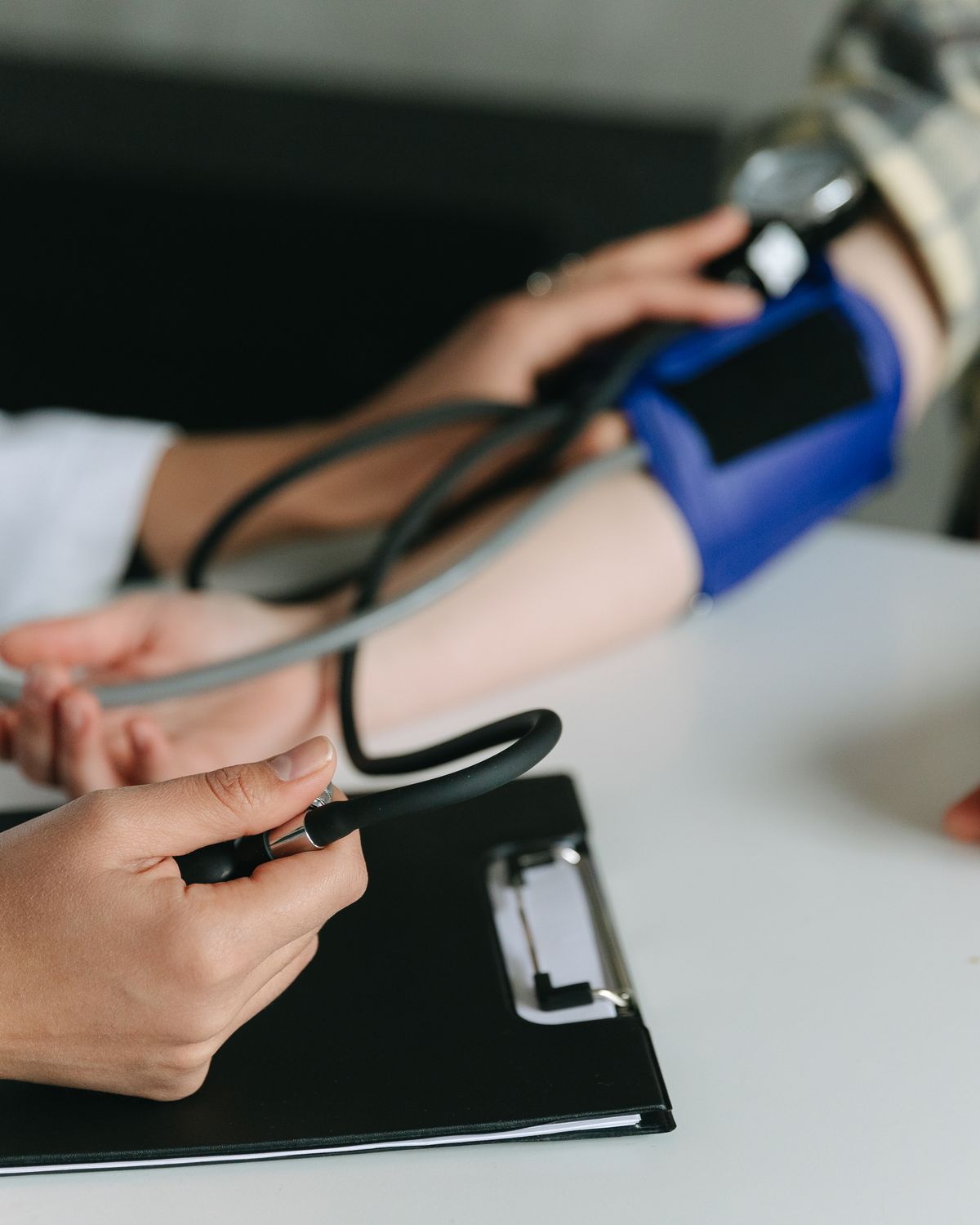
TRT at Ascend is testosterone replacement therapy run as family medicine, not as a wellness subscription. At our Carrollwood office on Moran Road, Dr. Jason Saylor, DO confirms low testosterone with two separate morning blood draws, screens a full hormone and metabolic panel, rules out contraindications, and monitors your labs at 3 months, 6 months, and every 6 to 12 months after. In-person in Tampa or Florida telehealth follow-ups. Call (813) 670-3331 or request a consult online.
Tampa has a testosterone clinic on what feels like every other strip mall, and most of them are optimization brands: a symptom quiz, a single lab reading, a flat monthly membership, and injections shipped to your door, often bundled with HGH or "libido stacks." That model is fast and convenient, and for some men it works out fine. It is a different standard of care than what we practice, and you deserve to know the difference before you pick.
The single most common way symptom-only clinics get it wrong is treating the wrong problem. Fatigue, low libido, brain fog, and low mood overlap heavily with sleep apnea, thyroid disease, depression, and metabolic problems, several of which can lower testosterone on their own. That is exactly why our Tampa workup runs a thyroid panel, a metabolic panel, HbA1c, and lipids alongside testosterone, not a testosterone level in isolation. If your number comes back normal, we do not prescribe TRT, and we tell you why.
Who evaluates you, and by what standard
Your evaluation is done by a board-certified family medicine physician who treats the Endocrine Society and American Urological Association guidelines as the floor, not a suggestion. That means lab confirmation before a prescription, a real contraindication screen, and monitoring that continues for as long as you are on therapy.
- Board-certified DO, Family Medicine
- 17 years of clinical experience
- Chief Medical Officer at Ascend
- Guideline-driven TRT
Dr. Jason Saylor, DO is a board-certified osteopathic family medicine physician with 17 years of clinical experience and Chief Medical Officer at Ascend. His scope explicitly covers men's health, hormone evaluation, weight management, preventive medicine, and chronic disease management. He sees Tampa men in person at the Carrollwood office and via Florida telehealth for follow-ups.
Dr. Saylor's approach is deliberately guideline-driven rather than protocol-driven: lab confirmation before any prescription decision, a real contraindication screen, and a monitoring cadence that continues as long as you are on therapy, not just at intake. If a plan needs to change based on your labs or how you are responding, that conversation happens at your follow-up visit, in person or via Florida telehealth, not through a call center.
The distinction that matters clinically: TRT restores a diagnosed deficiency back to a normal physiologic range. It is not enhancement, it is not performance dosing, and it is not the same category as anabolic steroids or the HGH and SARMs marketed online. We do not push a normal man above normal, and we do not bundle unrelated products into a testosterone visit to raise the invoice.
What actually happens, step by step
-
1
Call or request a consult
Call (813) 670-3331 or use the form on this page. Most men are seen within one to two weeks.
-
2
Initial evaluation, about 45 minutes
In person at Carrollwood: symptom history, lifestyle review, a focused physical exam, and a conversation about what you actually want to change. Labs are ordered here, drawn 7 to 10 a.m. at a nearby Quest or LabCorp.
-
3
Two confirmatory morning draws
If the first draw shows low testosterone, we repeat it on a separate morning before any prescribing decision. A single low reading is never enough on its own.
-
4
Results, decision, then monitoring
We review both draws and the full panel. If TRT is appropriate, we discuss route, dosing, and fertility together, then follow labs at 3 months, 6 months, and every 6 to 12 months after. Not a set-and-forget refill.
From first call to first prescription decision, most men are looking at roughly three to four weeks, driven by the two-draw requirement, not by scheduling delays on our end.
Symptoms of low testosterone, and what else causes them
The symptoms men associate with low testosterone are low libido, fewer morning erections, persistent fatigue, low mood and irritability, brain fog, and muscle loss with rising abdominal fat. Nearly all of them overlap with sleep apnea, thyroid disease, depression, and metabolic problems, so we screen those alongside testosterone rather than assuming testosterone is the cause.
-
Low energyMost common
Persistent fatigue not explained by poor sleep. Also a classic sign of sleep apnea and thyroid disease, which we screen.
Read more -
Low libido
Reduced sex drive and fewer morning or spontaneous erections, among the more specific symptoms of true low testosterone.
Read more -
Brain fog
Trouble concentrating and mental sluggishness, heavily overlapping with sleep, stress, and depression.
Read more -
Muscle loss
Reduced muscle mass and strength with increasing abdominal fat, despite steady training.
Read more -
Mood & irritability
Low or flat mood and a shorter fuse, which can be a testosterone issue, a depression issue, or both.
Read more -
Labs & monitoring
What we measure, when we measure it, and the number that actually meets the bar for treatment.
Read more
Here is the honest catch: every one of these symptoms overlaps with other, more common conditions, including obstructive sleep apnea, untreated thyroid dysfunction, depression, chronic stress, heavy alcohol use, and metabolic syndrome. Several of those can lower testosterone on their own, which means treating the underlying cause sometimes improves both the symptoms and the numbers without testosterone therapy at all.
Persistent fatigue and low energy
Fatigue that is not explained by a bad week of sleep is one of the most common reasons men come in asking about testosterone. It is also one of the least specific: untreated sleep apnea, an underactive thyroid, iron issues, depression, and poorly controlled blood sugar all produce the same flat, tired feeling. That is why our workup includes TSH, a metabolic panel, HbA1c, and a CBC, not a testosterone level alone. If low testosterone is confirmed and treated, energy that holds up through the day typically takes three to six months of consistent dosing, paired with sleep and resistance training, not two weeks.
Low libido and reduced erections
Reduced sex drive and fewer morning or spontaneous erections are among the more specific symptoms of genuinely low testosterone, which is part of why they respond relatively predictably when a real deficiency is treated. Some men notice a change in libido within two to four weeks of correctly dosed therapy. Erectile dysfunction, though, is frequently driven by vascular, medication, or psychological factors rather than testosterone, so a normal testosterone level with ongoing ED is a reason to look elsewhere rather than raise a dose.
Brain fog and concentration
Difficulty concentrating and a general mental sluggishness are real, but they are also the symptoms most likely to trace back to something other than testosterone: chronic short sleep, undiagnosed sleep apnea, high stress and cortisol, and depression all blunt focus. We screen for those deliberately, because prescribing testosterone to a man whose brain fog is actually driven by untreated sleep apnea treats the wrong problem and leaves the real one in place.
Muscle loss and body composition
Losing muscle and strength while gaining fat around the midsection despite steady training is a recognizable pattern of low testosterone, and it also feeds a loop: visceral fat converts testosterone to estradiol through aromatase and independently suppresses the hormonal axis, so weight gain can lower testosterone and low testosterone can make weight harder to lose. When it is relevant, we cross-reference our medical weight loss program, because meaningful fat loss alone raises testosterone in some men with obesity-related low levels, sometimes reducing how much therapy is ultimately needed.
Low mood and irritability
Low or flat mood, a shorter temper, and reduced motivation can accompany low testosterone, but depression can present with nearly identical symptoms, with or without a hormonal component. This runs in both directions: low mood can suppress testosterone and low testosterone can worsen mood. When both need attention, we coordinate with our psychiatric team rather than treating one and ignoring the other. Mood or irritability swings that show up between injections are usually a dosing-frequency issue, fixable by adjusting the schedule, not a reason to assume TRT is a bad fit.
Not sure if it is your testosterone?
That is exactly what the workup is for. We confirm it with labs before we treat it, and if it is not low, we look for the real cause. The first conversation is information, not a commitment.
In-person in Carrollwood or by Florida telehealth for established patients statewide.
What we measure, when, and the number that meets the bar
 Actual Carrollwood office
The number matters more than the marketing. A single low reading is never enough on its own; we confirm on a second separate morning before any prescription.
The workup measures morning total testosterone, free testosterone, SHBG, LH, FSH, estradiol, prolactin, CBC, a comprehensive metabolic panel, lipids, HbA1c, TSH, and PSA when age-appropriate. Draws happen between 7 and 10 a.m. when testosterone peaks. The Endocrine Society's 2018 guideline generally points to a morning total testosterone below roughly 300 ng/dL, confirmed on a second morning, in a man with symptoms.
There is no single universal cutoff for "low," because reference ranges vary by lab and assay. The Endocrine Society's 2018 clinical practice guideline generally uses a morning total testosterone below roughly 300 ng/dL, confirmed on a second separate morning draw, in a man with consistent symptoms. A low-normal number with no symptoms usually does not meet the bar for treatment, and we will tell you that rather than treat a number in isolation.
Once you start therapy, monitoring is the whole point of the follow-up schedule: labs at 3 months, again at 6 months, then every 6 to 12 months once your levels and symptoms are stable. Each check includes testosterone and hematocrit at a minimum, plus estradiol, PSA, and lipids where relevant. Dose adjustments are based on both the labs and how you actually feel, not the labs alone.
Routes of testosterone, explained honestly
Injectable testosterone (cypionate or enanthate)
Intramuscular or subcutaneous injection, usually weekly or twice weekly, is the most established and widely stocked route. Dosing is flexible, which makes it easy to fine-tune, and injection frequency can be adjusted if you notice mood or energy swings between doses. The tradeoff is that levels rise and fall between injections, and some men prefer more frequent, smaller doses for a steadier feel.
Transdermal gel
A daily topical gel gives steadier day-to-day levels and avoids needles. The two real cautions are absorption variability and transfer risk: gel can rub off onto a partner or child through skin contact before it dries, so it requires care around the household. We review that directly rather than leaving it in a package insert.
Fertility-preserving alternatives
If fertility in the next few years matters to you, standard TRT is often the wrong first move, because it suppresses the signal that drives sperm production. Alternatives that raise your own testosterone while preserving testicular function include clomiphene citrate (off-label), enclomiphene, and hCG-based protocols, sometimes combined with low-dose testosterone. We have this conversation before writing anything, not only if you happen to ask.
What we do not prescribe
We do not prescribe supraphysiologic dosing for performance, anabolic-steroid protocols, human growth hormone for anti-aging or optimization, or SARMs. SARMs are not FDA-approved for human use, are not regulated for purity or dosing, and have been linked to liver injury in case reports. If you are taking one, tell us, because it changes how we interpret your labs. TRT here treats a diagnosed deficiency back to normal; it does not push a normal man above normal.
What each marker on the panel actually tells us
A general guide, not a self-diagnosis tool. Your physician interprets these together, in the context of your symptoms and two confirmatory draws.
| Lab marker | What it helps answer |
|---|---|
| Total & free testosterone | Whether a true deficiency exists, and how much is biologically active |
| LH & FSH | Whether the problem is in the testes or in the brain's signal, which changes the treatment |
| Estradiol & SHBG | How testosterone is converting and binding, relevant to side effects and dosing |
| CBC (hematocrit) | Red blood cell count, the most common thing to watch on therapy |
| TSH | Thyroid function, a frequent hidden cause of the same fatigue and low mood |
| CMP, HbA1c, lipids | Metabolic health, which both affects and is affected by testosterone |
| PSA (age-appropriate) | Prostate screening before starting, since TRT can grow existing prostate tissue |
The risks, the fertility trade-off, and what to expect
TRT is a well-studied treatment for confirmed hypogonadism, and it is a real medication with real side effects that deserve a direct answer, not a disclaimer buried at the bottom of a page.
Side effects we monitor for
- Elevated red blood cell count (erythrocytosis). The most common lab abnormality on TRT. We monitor hematocrit specifically; if it climbs too high, we adjust the dose, spread out injections, or pause treatment.
- Acne, oily skin, and fluid retention. Common, usually mild, and often dose-related.
- Breast tenderness. Testosterone converts to estradiol; when that conversion runs high relative to your dose, breast tissue changes can follow. We track estradiol on your panel.
- Testicular shrinkage and reduced natural production. Exogenous testosterone suppresses the brain's signal to the testes, so natural production and testicular size can both decrease.
- Worsened sleep apnea. One reason we ask about snoring and daytime fatigue, and why untreated severe sleep apnea is a reason to pause before starting.
- Mood or irritability swings between doses if injection frequency is not well matched to how your body clears the medication. Usually fixable by adjusting frequency.
On cardiovascular risk: the 2023 TRAVERSE trial, a large randomized study published in the New England Journal of Medicine (Lincoff AM et al.), followed men with hypogonadism and elevated cardiovascular risk on testosterone versus placebo. It found testosterone was non-inferior to placebo for the primary composite of major adverse cardiac events, which is reassuring. It also found higher rates of atrial fibrillation, acute kidney injury, and pulmonary embolism in the testosterone group. In plain terms: this is not the heart-attack risk older headlines implied, but it is not risk-free either, which is exactly why ongoing monitoring, not a one-time prescription, is the standard we hold to. Individual responses vary, and nothing here is a guarantee of outcome.
TRT and fertility: an honest answer, not an afterthought
Yes, standard TRT often suppresses fertility, sometimes substantially, and you should hear that clearly before starting rather than discover it later. When you introduce testosterone from an outside source, your brain reduces its own LH and FSH signal to the testes. Because those hormones also drive sperm production, that reduction can cause a significant drop in sperm count and, in some men, temporary infertility while on therapy. Recovery after stopping can take several months to over a year, the odds of full recovery drop the longer you have been on therapy, and it is not guaranteed in every case. If fertility in the next few years is part of your plan, we discuss the fertility-preserving alternatives above before writing anything.
What to expect, and on what timeline
Some men notice libido or mood changes within two to four weeks of correctly dosed therapy. Changes in muscle mass, body composition, and energy that holds up through the day typically take three to six months of consistent dosing, and they respond better paired with resistance training, adequate sleep, and reasonable alcohol intake. If your levels are solidly in range at six months and you are still not noticing improvement in the symptoms that brought you in, that is a legitimate moment to look harder at sleep apnea, thyroid function, depression, or metabolic health rather than simply raising the dose.
How this differs from a Tampa low-T membership clinic
Tampa has plenty of testosterone options, and many run on a wellness-membership model: a questionnaire, sometimes a single lab draw, and a flat subscription for injections shipped to your door, often bundled with HGH. That is a different standard of care than what we practice: two confirmatory draws instead of one, a full panel instead of a testosterone-only test, a board-certified physician instead of a templated protocol, monitoring built in at 3 months, 6 months, and every 6 to 12 months after, a direct fertility conversation before you start, and no upsold add-ons. If you want the fastest possible script with no lab requirement, we are not the fastest option in Tampa, and we would rather tell you that upfront.
Insurance and what is covered, stated plainly
Many plans cover TRT when documented clinical hypogonadism meets their criteria, meaning symptoms plus confirmed low labs. Dr. Saylor is in-network with Aetna, ChampVA, and UnitedHealthcare. We verify your benefits before any prescription decision, so you know what your plan covers for the visit, the labs, and the medication before you agree to start.
In-network status
- Currently in-network with Aetna, ChampVA, and UnitedHealthcare.
What is covered at intake
The initial evaluation and the lab panel are billed like a standard office visit and lab work, and lab work is generally covered by most plans. Because testosterone is a Schedule III controlled substance under federal law, prescriptions are filled through a licensed pharmacy tied to your evaluation, not shipped from an out-of-state fulfillment center with no prescribing relationship. That is a legal requirement, and it is also why telehealth TRT care has to stay within Florida for Florida-licensed prescribers.
How we track whether therapy is working
We do not ask you to simply trust that things are improving. Your labs at 3 months and 6 months, alongside your own sense of the symptoms that brought you in, give both of you an objective marker of change. If the labs are in range but the symptoms are not moving, that is the trigger for a real conversation about whether testosterone was ever the primary driver, rather than reflexively raising a dose.
How Ascend compares to your other options
The trade-offs are real, and we would rather you know them before you call.
| Option | Diagnostic standard | Physician oversight | Ongoing monitoring |
|---|---|---|---|
| Ascend Mind and Body, Tampa | Two morning draws + full panel | Board-certified DO, guideline-driven | 3mo, 6mo, then 6 to 12mo |
| Low-T membership clinic | Often a single draw or questionnaire | Often a non-physician protocol | Auto-refill subscription |
| "Peak performance" optimization brand | Aimed at optimization, not a deficiency diagnosis | Varies | Often bundled with HGH upsells |
| Online-only TRT app | At-home kit, no in-person exam | Remote, high volume | Video only, no local labs relationship |
A membership clinic or app can be faster and more convenient, and for some men that is a reasonable trade. What you give up is the second confirmatory draw, the full panel that catches thyroid and metabolic causes, and a named physician who follows your labs over time.
Testosterone is a Schedule III controlled substance. Any operation offering it with no evaluation and no prescribing relationship is outside the legal framework, not just a looser clinical standard.
 Actual waiting area
You are evaluated in a real medical office, not a wellness clinic. Carrollwood location, with parking and in-person follow-ups.
Our Tampa clinic, and who we see
We are at 3971 Moran Road, Suite 101, in the Carrollwood corridor just east of the Veterans Expressway, open Monday through Friday, and we regularly see men driving in from across Hillsborough County and the inner Pasco corridor.
Ascend Mind and Body, Tampa
3971 Moran Road, Suite 101
Tampa, FL 33618
Phone: (813) 670-3331
Hours: Monday through Friday, 8:00 AM to 5:00 PM. The office sits in a low-rise medical building with surface parking and an accessible entrance, just east of the Veterans Expressway between Dale Mabry and Florida Avenue. Get directions.
Drive times from around Tampa Bay
| From | Approximate drive time |
|---|---|
| Carrollwood / Northdale | Under 10 minutes, local |
| Westchase / Town N Country | 15 to 20 minutes via Linebaugh |
| Lutz | 15 to 20 minutes via Dale Mabry |
| South Tampa / Hyde Park | 20 to 25 minutes via Dale Mabry |
| New Tampa / Tampa Palms | 20 to 25 minutes via I-275 and Bearss |
| Brandon | 30 to 35 minutes via I-4 (telehealth available) |
The Carrollwood office sees Tampa-area men from across Hillsborough and the inner Pasco corridor: North Tampa and Carrollwood (33618, 33625 Citrus Park, 33624 Northdale), South Tampa and Hyde Park (33606, 33609, 33611), Westchase and Town N Country (33626, 33615), New Tampa and Tampa Palms (33647), and Lutz (33549, 33558). Men in the Brandon corridor (33510, 33511) are often seen via telehealth (see TRT in Brandon), and men in Wesley Chapel and Land O' Lakes may be closer to the Wesley Chapel office.
Tampa is one of three in-person Ascend locations in the Tampa Bay and Central Florida area, alongside Wesley Chapel and Lakeland, plus statewide Florida telehealth. The practice covers primary care, psychiatry, ketamine therapy, and talk therapy, which is why a TRT patient who also needs a physical, a thyroid workup, or weight management can be evaluated within the same organization rather than starting over elsewhere.
Related Tampa men's care: TRT in Wesley Chapel, TRT in Brandon, the men's health pillar, GLP-1 weight loss in Tampa when weight is part of the picture, and Tampa primary care for everything beyond hormone work.
The honest version: what TRT can and cannot do
TRT reliably helps men with a confirmed, symptomatic deficiency, and it is not a fountain of youth, a performance drug, or a fix for symptoms that were never about testosterone. It works best when it treats a real diagnosis and is monitored over time.
We are not going to tell you testosterone fixes everything, that it turns back the clock, or that a higher number is always better. Pushing levels above the normal range does not add benefit and adds real risk, including erythrocytosis and cardiovascular strain. The goal of TRT is restoring normal function for a diagnosed deficiency, not maximizing a number.
What we can tell you: testosterone naturally declines with age, roughly 1 to 2 percent per year after your 30s, and several modifiable factors can suppress it further. Excess visceral fat, chronic short sleep, untreated sleep apnea, heavy alcohol use, chronic stress, and certain medications (opioids, some antidepressants, long-term corticosteroids) all lower testosterone. Addressing those sometimes changes the picture enough that a man no longer meets the criteria for treatment, or gets a better response once he starts. Many men need both lifestyle changes and therapy together, and TRT tends to work better, not worse, when paired with the basics.
When TRT is not the answer
- Your two morning draws come back normal. Normal levels do not meet the diagnostic bar regardless of symptoms, so we look at thyroid, sleep, mood, and metabolic health instead.
- You want a same-day script with no workup. That is a different service than the one we provide.
- You are trying to exceed a normal range for performance. That is enhancement, not treatment, and not a conversation we have with a prescription pad.
- Fertility in the near future matters and you have not yet discussed the fertility-preserving alternatives.
For a deeper look at the conditions we evaluate alongside low testosterone, see thyroid dysfunction, depression, and chronic pain, along with the full men's health program.
TRT in Tampa: frequently asked questions
Still deciding? These are the questions Tampa men ask most before they call.
Where in Tampa is the TRT clinic located?
Our Tampa office is at 3971 Moran Road, Suite 101, in the Carrollwood corridor (33618), just east of the Veterans Expressway between Dale Mabry and Florida Avenue. Surface parking and an accessible entrance are on site. Florida telehealth follow-ups are available for established TRT patients.
What labs are involved in a TRT workup in Tampa?
Morning total testosterone, free testosterone, SHBG, LH, FSH, estradiol, prolactin, CBC, comprehensive metabolic panel, lipid panel, HbA1c, TSH, and PSA when age-appropriate. Drawn between 7 and 10 a.m. when testosterone peaks. If the first draw shows low testosterone, we repeat it on a separate morning to confirm before any prescription decision.
What testosterone level is actually considered low?
There is no single universal cutoff, since reference ranges vary by lab, but the Endocrine Society's 2018 guideline generally points to a morning total testosterone below roughly 300 ng/dL, confirmed on a second separate morning draw, in a man with consistent symptoms. A low-normal number without symptoms usually does not meet the bar for treatment.
What are the symptoms of low testosterone?
Reduced sex drive, fewer morning or spontaneous erections, persistent fatigue, low mood, reduced muscle mass with increased abdominal fat, reduced body or facial hair, and trouble concentrating. Nearly all of these overlap with sleep apnea, thyroid problems, and depression, which is why we screen those alongside testosterone rather than assuming testosterone is the cause.
How fast can I get an appointment for a Tampa TRT consult?
Most new TRT patients are seen within one to two weeks. Same-week appointments happen when slots open. Call (813) 670-3331 first thing in the morning if you need a faster slot. Lab work is generally done before the second visit, so the timeline from first call to first prescription decision is usually three to four weeks.
Will TRT affect my fertility?
Yes, often substantially. Exogenous testosterone suppresses LH and FSH, which suppresses sperm production, sometimes to the point of temporary infertility. Effects can be reversible after discontinuation but sometimes are not, particularly with longer therapy. If fertility is on your radar, we discuss it before any TRT decision and consider alternatives, such as clomiphene, enclomiphene, or hCG protocols, that preserve testicular function.
Is TRT safe for the heart?
The 2023 TRAVERSE trial, a large randomized study published in the New England Journal of Medicine, found testosterone was non-inferior to placebo for major adverse cardiac events in men with hypogonadism and elevated cardiovascular risk, but also found higher rates of atrial fibrillation, acute kidney injury, and pulmonary embolism in the testosterone group. That is why ongoing monitoring, not a one-time prescription, is the standard we follow.
What are the side effects of TRT?
The most common is elevated red blood cell count (erythrocytosis), which is why we monitor hematocrit. Others include acne, fluid retention, breast tenderness, testicular shrinkage, worsened sleep apnea, and fertility suppression. Most are manageable by adjusting dose or frequency once caught early through routine monitoring.
How often will I need blood work once I'm on TRT?
At 3 months after starting, again at 6 months, then every 6 to 12 months once your levels and symptoms are stable. Each check includes testosterone, hematocrit, and other relevant markers such as estradiol, PSA, and lipids. Dose adjustments are based on both labs and how you feel.
How long before I feel the effects of TRT?
Some men notice libido or mood changes within two to four weeks. Meaningful changes in muscle mass and steady energy typically take three to six months of consistent dosing paired with resistance training and adequate sleep. Individual results vary.
Can I just take over-the-counter testosterone boosters instead?
Over-the-counter testosterone boosters are supplements, not FDA-approved medications, and they do not reliably raise testosterone into a therapeutic range for a man with confirmed hypogonadism. If labs confirm clinically low testosterone, a supplement is not an equivalent substitute for a monitored prescription.
What if my testosterone comes back normal?
Then we do not prescribe TRT, since normal levels do not meet the diagnostic bar regardless of symptoms. We instead look at other explanations, including thyroid function, sleep apnea, depression, and metabolic health, several of which can resolve the same symptoms once treated.
Can I do TRT through telehealth in Florida?
Established TRT patients can do follow-up visits via Florida telehealth. We recommend the initial evaluation happen in person so the exam and lab-draw coordination are straightforward. Telehealth care is limited to Florida residents seeing Florida-licensed prescribers.
Is testosterone a controlled substance?
Yes. Testosterone is a Schedule III controlled substance under the federal Controlled Substances Act, meaning it can only be legally prescribed following a documented medical evaluation and dispensed through a licensed pharmacy.
Will TRT cause hair loss or prostate problems?
Testosterone can convert to DHT, which may accelerate male-pattern hair loss in men already genetically predisposed to it. TRT does not appear to cause prostate cancer, but it can accelerate growth in existing hormone-sensitive prostate tissue, which is why we screen PSA before starting.
Can I stop TRT once I start?
Yes, but stopping is not instant. Natural production was suppressed while on therapy, so there is typically a recovery window, sometimes months or longer, before your body's own production and sperm count return toward baseline, and full recovery is not guaranteed in every case.
What if I just want a script and not a workup?
That is not what we do. TRT done correctly requires lab confirmation, contraindication screening, and ongoing monitoring. If you want labs first and a real follow-up cadence, this is the right fit. If you want a same-day prescription with no workup, we are not the right clinic for that.
Does insurance cover TRT in Tampa?
Many plans cover TRT when documented clinical hypogonadism meets their criteria, meaning symptoms plus confirmed low labs. Dr. Saylor is in-network with Aetna, ChampVA, and UnitedHealthcare. We verify your benefits before any prescription decisions.
Still have a question? Talk it through with our team.
(813) 670-3331Sources
- Bhasin S et al. Testosterone Therapy in Men With Hypogonadism: An Endocrine Society Clinical Practice Guideline. J Clin Endocrinol Metab. 2018;103(5):1715-1744
- Mulhall JP et al. Evaluation and Management of Testosterone Deficiency: AUA Guideline. J Urol. 2018;200(2):423-432
- Lincoff AM et al. Cardiovascular Safety of Testosterone-Replacement Therapy. N Engl J Med. 2023;389(2):107-117 (TRAVERSE trial)
- U.S. Food and Drug Administration, Drugs@FDA prescribing information for testosterone products
Last medically reviewed by Dr. Jason Saylor, DO on 2026-07-06.
This page is educational and does not replace an individualized clinical evaluation. TRT is a prescription medication for clinically diagnosed hypogonadism and requires lab confirmation, prescriber supervision, and ongoing monitoring. Possible effects include increased red blood cell count, fertility suppression, and worsened sleep apnea. Individual results vary and no outcome is guaranteed. Testosterone is a Schedule III controlled substance and is dispensed only through a licensed pharmacy following a documented evaluation.
Ready for an actual testosterone workup in Tampa?
Labs first, treatment second, real prescriber, real follow-up. Most men are seen within one to two weeks, in person at our Carrollwood office or by Florida telehealth for follow-ups.
Testosterone is a Schedule III controlled substance prescribed only after a documented evaluation. Florida-licensed prescribers, Florida patients.