
Wesley Chapel weight loss, physician-led from family medicine.
Medical weight loss in Wesley Chapel has the same split as everywhere else in Florida: med-spas writing GLP-1 prescriptions in five-minute video visits on one side, and on the other, family medicine practices willing to do the actual workup. The difference here is that Ascend's flagship office sits right in the neighborhood, on Cashford Circle just off SR 56, so choosing the medical version doesn't cost you a highway drive. Lab-confirmed eligibility, contraindication screening, dose titration with real follow-up, and every result on one chart that the rest of your care can see. Dr. Jason Saylor, DO sees Wesley Chapel patients in person at the flagship and by Florida telehealth.
- Physician-led, not a med-spaDr. Jason Saylor, DO, examines you and reads your labs personally before prescribing.
- Lab-based eligibility, real follow-upBaseline labs and a contraindication screen first, then titration monitored every 4 to 6 weeks.
- In-person or Florida telehealthSee us at the Cashford Circle office or continue follow-ups by secure video statewide.
Free · Confidential
Request a callback
A care coordinator calls you within one business day. No cost, no obligation.
Got it. We will be in touch.
A care coordinator will reach out within one business day. If you would rather not wait, call (813) 670-3005.

A prescription without a workup is a transaction, not care.
Wesley Chapel is full of storefronts that will send a GLP-1 prescription off a five-minute questionnaire with no exam and no labs. That model misses the contraindications a proper workup catches. Here, a physician reads your labs first.
Request a callbackMost Wesley Chapel weight-loss ads promise a number on the scale. A physician cannot honestly promise you one.
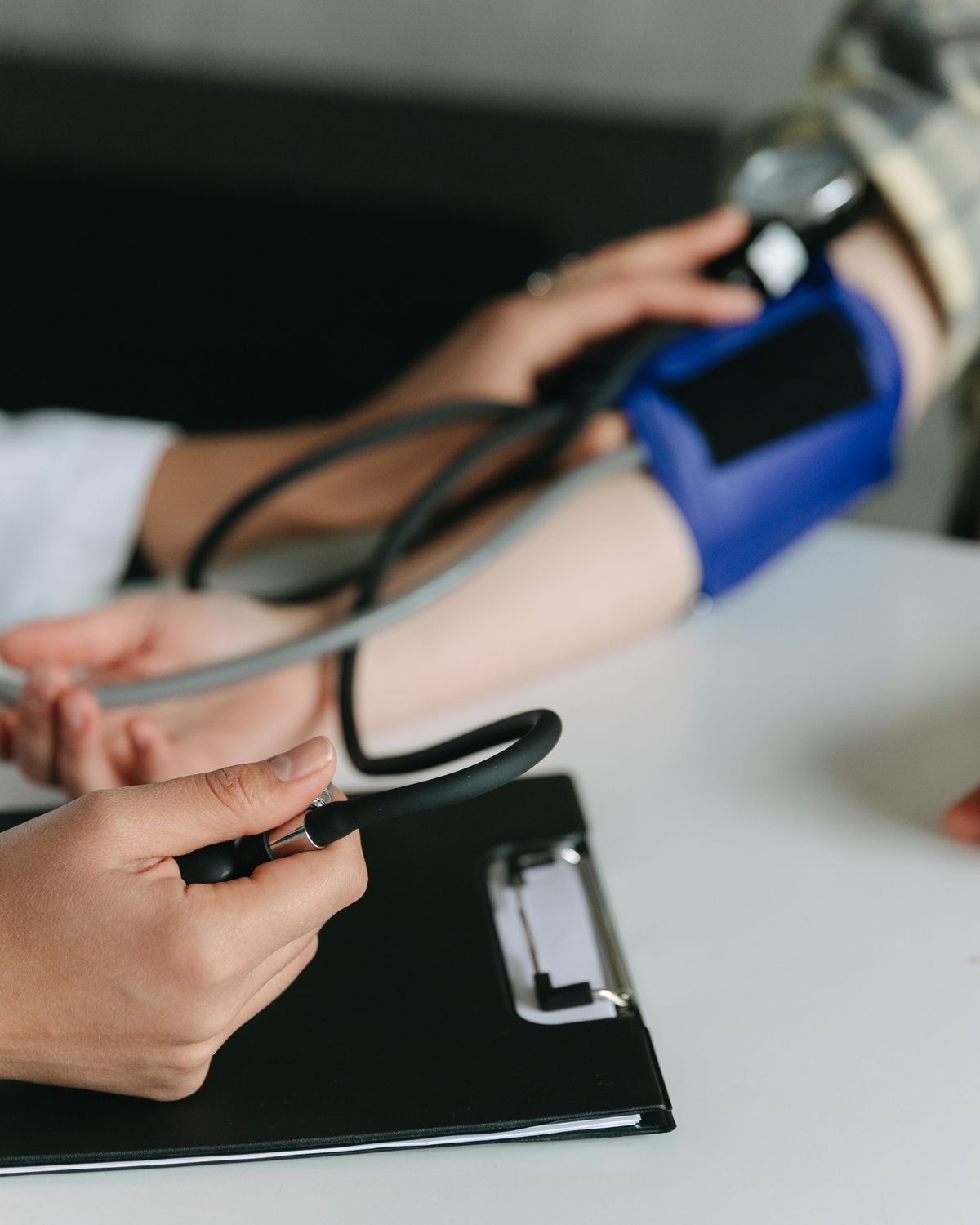
Medical weight loss in Wesley Chapel through Ascend Mind and Body is a physician-led program built on a family medicine workup, not a walk-in injection counter. Every patient gets a contraindication screen, baseline labs, and a plan matched to their case, whether that is a GLP-1 medication (semaglutide or tirzepatide), an oral option, or a structured lifestyle program with no prescription at all. Appointments are at our Pasco County office, 27724 Cashford Circle, Suite 102, or via Florida telehealth for established patients. Call (813) 670-3005 or request a consult online.
Weight is a metabolic condition shaped by genetics, hormones, sleep, mental health, and the medications you are already on. Treating it like a willpower problem is how patients end up with a five-minute prescription and zero follow-up, which is exactly the model a lot of Wesley Chapel weight-loss storefronts run on. We treat it like the chronic condition the research says it is. The first visit is roughly 45 minutes in person at the Cashford Circle office: weight history, lifestyle factors, family history, current medications, mood, and sleep, then a focused exam, then labs, in that order, every time.
The program rests on three pillars: an evidence-based medication strategy when it is indicated, a lifestyle plan that survives outside the clinic, and a monitoring cadence that catches side effects early and adjusts before they derail you. What we will not do is prescribe a GLP-1 medication over a questionnaire with no exam and no labs. That approach is common at Wesley Chapel med-spas and subscription storefronts, and it misses things a proper workup catches: undiagnosed thyroid nodules, early kidney disease, or a personal history that raises pancreatitis risk.
 Illustrative
Why a physician-led program is different from a Wesley Chapel med spa
A physician-led program orders labs before prescribing, screens for contraindications by exam and history rather than a questionnaire, and keeps the same prescriber managing your case from intake through maintenance. Many local weight-loss storefronts are staffed by aestheticians or medical assistants operating under a remote physician who never actually sees the patient.
- Family Medicine Physician (DO)
- Chief Medical Officer
- Reads your labs personally
- Whole-person continuity of care
Dr. Jason Saylor, DO is a family medicine physician and Chief Medical Officer at Ascend, and he is the prescriber for this program. Weight management sits inside the same practice that manages your blood pressure, your thyroid, and your diabetes risk, which matters because GLP-1 medications interact with all three. If your labs show something unrelated to weight, like an elevated liver enzyme or an abnormal thyroid panel, it gets addressed in the same visit instead of falling through the cracks between a weight-loss clinic and a separate primary care doctor you may not have.
That model can work for some people, but a med-spa or subscription counter also means nobody is examining you, nobody is reading your labs in context, and if something goes wrong there is no continuity of care. We are not the cheapest option in Pasco County, and we will not pretend to be. What you get instead is a licensed physician reading your labs, a documented follow-up schedule, and a practice that can treat what your workup finds, whether that turns out to be prediabetes, high cholesterol, or high blood pressure, without referring you somewhere else first.
Fragmentation is the silent tax on modern weight loss care. The injection comes from a med-spa portal, the blood pressure medication from a primary care office, the sleep study from a third system, and nobody's software talks to anybody's, so nobody is accountable for the whole patient. At the Cashford Circle flagship the model inverts. Your GLP-1 evaluation, your labs, your chronic disease management, and your follow-ups all live in a single record under a single medical team.
That structure isn't cosmetic. When your titration visit shows climbing blood pressure, the same practice adjusts the plan. When labs drawn for weight loss eligibility turn up an HbA1c in diabetic range, the diagnosis and its management don't require a referral to somewhere across town. When low testosterone is part of the picture for a man whose weight won't move, our TRT program runs within the same practice, on the same chart. Coordination stops being a phone-tag project and becomes the default state of your care.
The same logic extends to the mental health side of weight. Screening for mood disorders and eating disorders is a required part of a responsible GLP-1 evaluation, and when that screen finds something, most weight loss clinics have nowhere to send you but a waitlist. Ascend also provides psychiatry and talk therapy, so a finding becomes a warm handoff inside the same practice, on the same chart, instead of a referral letter that goes nowhere. Weight, sleep, mood, and metabolic health tangle together in real patients; a flagship built around all of them is the point.
What "medically supervised" should actually mean
The phrase gets used loosely in weight-loss marketing. At minimum, medically supervised weight loss should include:
- A licensed prescriber who reviews your history and exam findings personally.
- Baseline labs drawn before the first prescription, not after.
- A defined follow-up schedule during dose titration.
- A documented plan for what happens if you have side effects or plateau.
If a program cannot describe its follow-up cadence to you before you start, that is worth asking about directly. A supervised program should be able to tell you when it will see you next and what it is watching for.
What we will not do
We will not prescribe a GLP-1 over a form with no exam and no labs. We will not quote you a promised number of pounds. We will not push a compounded product that is not clinically indicated for you. And we will not manage a Florida-licensed prescription for someone physically located in another state.
Am I a candidate for medical weight loss?
FDA labeling for chronic weight management covers adults 18 and older with a body mass index (BMI) of 30 or higher, or a BMI of 27 or higher with at least one weight-related condition such as hypertension, high cholesterol, type 2 diabetes, or obstructive sleep apnea. Meeting the BMI threshold does not automatically mean medication is the right next step. We confirm eligibility through history, exam, and labs, not a BMI calculator alone.
We screen carefully for contraindications before prescribing any GLP-1 medication: a personal or family history of medullary thyroid carcinoma, MEN2 syndrome, severe gastroparesis, a prior episode of pancreatitis, an active eating disorder, pregnancy or plans to become pregnant, and severe gallbladder disease. None of these are automatic disqualifiers from all care, but they change which options are safe to consider. We also screen for the conditions weight often masks or worsens, including high cholesterol, sleep apnea, mood disorders, and fatty liver disease, so those get addressed alongside weight rather than ignored.
This program is for adults 18 and older only. Weight concerns in patients under 18 are handled through a different specialist, and we are glad to help point families in the right direction.
A note on muscle, not just pounds
GLP-1 driven weight loss reduces lean muscle as well as fat, not just fat alone. That is a real consideration, especially for older adults. It is one reason our program pairs medication with protein-forward nutrition and resistance-training basics from the start, so the weight you lose is weighted toward fat and you protect the muscle that keeps your metabolism and mobility intact. A clinic that hands you an injection and nothing else is ignoring half the picture.
How GLP-1 medications work, explained honestly
 Illustrative
Medical weight loss at Wesley Chapel starts with labs and a physician visit, then follows your response and side effects through structured dose titration.
GLP-1 receptor agonists work by slowing how fast your stomach empties and by reducing appetite signaling in the brain, so you feel full sooner and stay full longer. Tirzepatide adds a second receptor (GIP) to that mechanism. They are prescription medications, not supplements, and they require a physician evaluation, lab monitoring, and honest disclosure of side effects and contraindications before starting.
What we prescribe depends on your workup, your insurance, your other health conditions, and how you tolerate the medication once you start. Every option below is discussed in plain terms, including how it works and what the trial data actually showed.
- Semaglutide - dosed for chronic weight management, or for type 2 diabetes where that diagnosis is present. Weekly subcutaneous injection. A GLP-1 receptor agonist that slows gastric emptying and reduces appetite signaling. The STEP-1 trial showed an average loss of about 14.9 percent of body weight at 68 weeks in adults without diabetes (Wilding et al., NEJM 2021).
- Tirzepatide - dosed for chronic weight management, or for type 2 diabetes. Weekly subcutaneous injection with a dual GIP/GLP-1 mechanism. The SURMOUNT-1 trial showed an average loss of roughly 20 to 22 percent of body weight at 72 weeks depending on dose (Jastreboff et al., NEJM 2022). A 2025 head-to-head trial, SURMOUNT-5, found tirzepatide produced greater average weight loss than semaglutide over 72 weeks, though gastrointestinal side effects were somewhat more common at higher tirzepatide doses.
- Oral GLP-1 options where clinically appropriate and the patient prefers a pill over an injection. Availability and coverage vary by plan.
- Phentermine for selected short-term cases when GLP-1 medications are contraindicated or not tolerated. This is an appetite suppressant, not a GLP-1, and FDA labeling limits it to short-term use as part of a broader weight-management plan.
- Structured lifestyle program covering protein-forward nutrition, resistance-training basics, sleep, and behavior change. This runs with or without medication and is the part that has to outlast the prescription, because GLP-1 medications do not teach new habits on their own.
Ready to start with a real workup?
A physician reviews your history and exam, orders labs, and builds a plan matched to your case. The first conversation is information, not a commitment, and there is no promised number on the scale, only an honest one.
In-person at the Cashford Circle office or by Florida telehealth statewide.
Semaglutide vs tirzepatide: which is right for you
The newest medication is not automatically the right one. Tolerance, coverage, and your other conditions all factor in.
Tirzepatide tends to produce more average weight loss in trials, but semaglutide has a longer real-world track record for weight management specifically, and some patients simply tolerate one better than the other. We decide together after your labs and history are in, not before, and coverage often makes the practical difference.
| Factor | Semaglutide | Tirzepatide |
|---|---|---|
| Mechanism | GLP-1 receptor agonist | Dual GIP/GLP-1 receptor agonist |
| Average trial weight loss | About 14.9% at 68 weeks (STEP-1) | About 20 to 22% at 72 weeks (SURMOUNT-1) |
| Dosing | Weekly injection, gradual titration | Weekly injection, gradual titration |
| Common side effects | Nausea and constipation more common | Diarrhea more common, often less nausea |
Trial results describe group averages under study conditions and do not predict your individual result. We confirm coverage and current availability when you call.
Compounded GLP-1 medications: what we want you to know
Ascend prescribes FDA-approved brand medications through licensed pharmacies. We do not run a compounding-pharmacy subscription model. If you have been offered compounded semaglutide or tirzepatide elsewhere in Wesley Chapel, it is worth understanding what that means before you start. Compounded versions are not FDA-approved as safe and effective for weight management, are not manufactured under the same quality controls, and the FDA has issued public warnings about dosing errors and adverse events tied to some compounded GLP-1 products during periods of brand-name shortage. We will discuss your coverage options with you directly, including manufacturer assistance programs and insurance appeals, rather than defaulting to a compounded product.
Side effects and safety
We would rather you hear the risks from us before you start than discover them from the pharmacy insert alone.
The most common side effects of GLP-1 medications are gastrointestinal: nausea, vomiting, diarrhea, and constipation, particularly during dose increases, and they are usually manageable with dose timing and diet adjustments. Serious but less common risks include pancreatitis, gallbladder disease, and, in rare cases, worsening of diabetic retinopathy in patients with existing diabetic eye disease.
Semaglutide carries a boxed warning regarding thyroid C-cell tumors observed in rodent studies; the relevance to humans has not been determined, but it is why a personal or family history of medullary thyroid carcinoma or MEN2 syndrome is a contraindication we screen for at intake. Tirzepatide carries the same class warning. Neither medication is appropriate during pregnancy, and we discuss contraception planning with anyone of childbearing potential before starting.
We monitor patients every 4 to 6 weeks during titration specifically to catch side effects early, adjust the dose or timing, and confirm the medication is still the right fit. Once you reach a stable maintenance dose, follow-up moves to a less frequent, clinically appropriate cadence. If you develop severe abdominal pain, signs of a gallbladder attack, or symptoms of an allergic reaction, that is a same-day call, not a wait-and-see.
Your first 90 days: a realistic timeline
Most patients see the first meaningful movement on the scale within 4 to 8 weeks of starting a GLP-1 medication. Weight loss is typically fastest in the first 3 to 6 months, and it is normal, not a failure, for the rate to slow substantially after that. We set this expectation up front because a lot of the disappointment we see in patients coming from other programs traces back to nobody explaining the actual curve.
- Weeks 1 to 4 (starting dose): appetite changes are usually the first thing patients notice, often before significant weight change. Mild nausea or GI upset during this window is common and usually improves as your body adjusts.
- Weeks 4 to 12 (titration): dose increases happen on a schedule set at your follow-ups, based on how you are tolerating the medication, not a fixed calendar. This is typically the period of fastest weight change.
- Months 3 to 6: continued loss for most patients, though the pace usually slows compared to the first 12 weeks. This is expected physiology, not a sign the medication stopped working.
- Months 6 to 12 and beyond: many patients reach a plateau as the body adapts. We use this stage to lock in the lifestyle habits that matter most if or when medication is eventually reduced.
Labs and monitoring: what we check and why
Before prescribing, we draw HbA1c and fasting glucose to screen for prediabetes or type 2 diabetes, a comprehensive metabolic panel for kidney and liver function, a lipid panel for the cardiovascular picture, and TSH because thyroid disease drives weight changes and is frequently missed. Additional labs are ordered based on what your history suggests.
Plan for about 45 minutes in person at the Cashford Circle office for a history, focused exam, and blood draw. A decision on the treatment direction is typically made the same day once your history and exam are complete; final medication approval depends on lab results, which usually return within a few business days. If labs support it and there are no contraindications, we send the initial prescription once results are back and book your first titration follow-up at 4 to 6 weeks. If labs point somewhere else entirely, such as untreated type 2 diabetes or a metabolic issue that needs attention first, we tell you that too.
Ongoing monitoring is not a formality. During titration we are watching tolerance and any early warning signs; at maintenance we run routine checks. Because weight management sits inside family medicine here, anything the labs surface beyond weight, from an abnormal thyroid panel to early kidney changes, gets managed in the same practice rather than referred out.
Prediabetes deserves its own sentence, because the corridor's growth keeps delivering patients who've never had a baseline drawn here. Caught in that 5.7 to 6.4 window, progression to type 2 diabetes is often still preventable, and weight management is a central lever for preventing it. A GLP-1 evaluation that surfaces the number, tracks it, and treats around it is doing double duty, which is hard to replicate when the injection and the bloodwork live in different buildings.
Maintenance and what happens if you stop
For most patients, appetite tends to return toward baseline within weeks of stopping a GLP-1 medication, and published follow-up data shows a meaningful portion of lost weight is regained over the following year without a lifestyle and, in some cases, maintenance-medication plan in place. This is exactly why we treat weight as a chronic condition rather than a course of treatment with a fixed end date.
Before anyone stops a GLP-1 medication, whether by choice, coverage, or supply issues, we talk through a plan: lifestyle reinforcement, possible dose tapering, and what warning signs to watch for. Plateaus are a normal, well-documented part of GLP-1 treatment, typically appearing somewhere between roughly 20 and 60 weeks as the body adapts metabolically. A plateau is not a sign the medication has failed; it is a prompt to review dose, timing, and lifestyle at a follow-up visit and decide whether an adjustment makes sense. If your preferred medication or dose goes on backorder, we discuss alternatives, including a different dose, the alternate FDA-approved medication, or a temporary bridge plan, rather than leaving you to sort it out with the pharmacy alone.
 Actual waiting area
In-person visits at Wesley Chapel; telehealth follow-ups are available for established patients when appropriate.
Insurance and coverage, stated plainly
The office visit and the medication are covered separately. We are transparent about both and we verify before we prescribe.
Dr. Saylor is currently in-network with Aetna, ChampVA, and UnitedHealthcare. The office visit and labs generally follow your in-network benefits. Whether your plan covers the GLP-1 medication itself is a separate question that depends on your specific pharmacy benefit and the diagnosis code used. We verify your benefits and check for prior authorization before any prescription is sent, so you are not surprised at the pharmacy counter.
Coverage of the GLP-1 medication depends heavily on your plan and diagnosis: a type 2 diabetes diagnosis generally has better pharmacy coverage than a weight-management-only indication, and some plans exclude weight-loss medications entirely regardless of diagnosis. Rather than quote you a figure that may be outdated by the time you fill a prescription, we check current eligibility for you, including any manufacturer assistance program you may be eligible for, and we help with insurance appeals where they make sense.
Any Wesley Chapel weight-loss provider that quotes one flat number before seeing your labs is estimating, not confirming. Our team will walk you through exactly what your benefits cover once we have verified them. Call (813) 670-3005 and we will start that verification.
In-person vs telehealth weight-loss visits
Your first visit and initial workup happen in person at the Cashford Circle office, and established patients can typically continue medication management and titration follow-ups by Florida telehealth, with periodic in-person checks. Per Florida Statute Section 456.47, certain prescribing and new-patient evaluations require an in-person component, and we will tell you upfront what your specific case requires rather than promising a fully virtual program that Florida law does not allow for every situation. Telehealth for this program is available to patients physically located in Florida only.
Our Wesley Chapel office, and who we see
We are at 27724 Cashford Circle, Suite 102, in Wesley Chapel, open Monday through Friday, and we regularly see patients driving in from across Pasco County and northern Hillsborough.
Ascend Mind and Body, Wesley Chapel
27724 Cashford Circle, Suite 102
Wesley Chapel, FL 33544
Phone: (813) 670-3005
Hours: Monday through Friday, 8:30 AM to 5:00 PM. This is our flagship Pasco County office, convenient to the Bruce B Downs and SR-54 corridors. Get directions.
Drive times from around Pasco County
| From | Approximate drive time |
|---|---|
| Land O Lakes | 12 to 18 minutes via SR-54 |
| New Tampa | 12 to 18 minutes via Bruce B Downs Blvd |
| Lutz | 15 to 22 minutes via SR-54 |
| Zephyrhills | 20 to 28 minutes via SR-54 |
| Dade City | 25 to 32 minutes via US-301 |
| North Tampa | 25 to 32 minutes via I-75 |
Wesley Chapel is one of three in-person Ascend locations in the Tampa Bay area, alongside Tampa/Carrollwood and Lakeland, plus statewide Florida telehealth. The practice covers four service lines: primary care, psychiatry, ketamine therapy, and talk therapy, which is why a Wesley Chapel weight-loss patient who also needs a physical, a medication evaluation, or care for the conditions a workup surfaces can be managed within the same organization rather than starting over elsewhere.
For broader coverage, see the medical weight loss service overview or the Wesley Chapel location page for our full range of family medicine and mental health services.
Actual Wesley Chapel office
We prescribe GLP-1 medications as part of a monitored plan that includes nutrition guidance and ongoing follow-up, not as a standalone shipment.
The honest version: what medical weight loss can and cannot do
GLP-1 medications produce meaningful weight loss for most patients who tolerate them, but they do not permanently resolve obesity, results vary substantially from person to person, and the weight tends to come back without a lasting lifestyle plan. There is no honest way to promise you a specific number on the scale.
We are not going to tell you a medication fixes everything, or that any specific agent works the same way for every person. Clinical trials show strong average results, but "helps most people" is not the same as "guarantees a specific outcome for you." Individual response varies by starting point, other conditions, and how consistently you engage with the lifestyle side of the plan.
What we can tell you: a physician-led workup catches the things a questionnaire misses, monitoring during titration keeps you safer, and pairing medication with protein-forward nutrition and resistance training protects muscle and makes the results more durable. A GLP-1 belongs in chronic weight management only when a patient meets clinical criteria, takes it under real supervision, and hears the risks stated up front. Compounded semaglutide and tirzepatide are not FDA-approved, and we say so before anyone starts one. That is the standard we hold, and it is the standard worth asking any Wesley Chapel weight-loss provider to meet.
The overlap between weight and the rest of the metabolic chart is the reason this program lives in family medicine. Alongside GLP-1 evaluation we routinely manage type 2 diabetes with weight management goals, hypertension tied to weight, dyslipidemia and metabolic syndrome, prediabetes in the HbA1c 5.7 to 6.4 percent range, fatty liver disease (MASLD), and the preventive care screenings that keep cardiovascular risk in view. One chart, remember, so improvement in one column is visible in all the others.
Two commitments run through all of it. Expectations get set honestly at the start, including the fact that response varies widely and that stopping the medication without a changed lifestyle usually invites the weight back. And the program never becomes a subscription on autopilot: every refill sits downstream of an actual clinical review, which is exactly what the five-minute-video alternative is structured to avoid.
If a workup surfaces something beyond weight, like type 2 diabetes, hypertension, or high cholesterol, the same Wesley Chapel office manages ongoing chronic disease care.
FAQs about weight loss in Wesley Chapel
Still deciding? These are the questions Wesley Chapel patients ask most before they call.
Who supervises the program, and what does supervision mean here?
Dr. Jason Saylor, DO, a board-certified osteopathic family medicine physician and Ascend's Chief Medical Officer, holds clinical responsibility. Supervision means a physician takes the history, orders and reads the labs, makes the treatment decision, and remains the person accountable when something changes. It is not a nurse line attached to a shipping operation.
Does every patient end up on a medication?
No, and a program where everyone does is not a program. Some evaluations conclude that the driver is a thyroid condition, an existing prescription, untreated sleep apnea, or a metabolic diagnosis that reorders the priorities. Those patients get treated for what they actually have.
What does the program include besides a prescription?
A structured nutrition approach built around adequate protein, resistance training guidance to protect muscle while weight comes down, sleep and stress review, and management of the conditions that travel with weight. That work runs alongside any medication from the first month rather than being introduced when treatment ends.
What does the lab panel cover, and why those tests?
Glycemic markers to find diabetes or prediabetes, renal and hepatic function to confirm you can safely take what is being considered, a lipid profile to frame cardiovascular risk, and thyroid function because thyroid disease is among the most commonly missed explanations for a weight trajectory. Your history can add to the list.
How do you choose between the two medication options?
By history rather than by preference. One acts through a single gut-hormone pathway and the other through two, and trials of the dual-pathway agent have shown larger average loss. The choice turns on what else you are being treated for, what your panel shows, and how you tolerate the early doses.
What did the evidence actually show?
In trials, semaglutide for weight management produced average loss of roughly 15% of body weight over 68 weeks and tirzepatide roughly 20 to 22%. Averages conceal a wide spread: some patients exceed them, some fall well short, and some do not respond. Wilding JPH et al. N Engl J Med. 2021;384(11):989-1002 (STEP 1). Jastreboff AM et al. N Engl J Med. 2022;387(3):205-216 (SURMOUNT-1).
What are the safety exclusions?
Pregnancy or planned pregnancy, an active eating disorder, prior pancreatitis, severe gastroparesis, and any personal or family history of MEN2 syndrome or medullary thyroid carcinoma. Each is a stop rather than a caution, and none of them surfaces reliably on a self-completed form.
How are compounded preparations handled?
As a documented clinical exception. Commercially manufactured medication is the default here, and a compounded preparation is used only where a physician records an individual medical need for one. Compounded semaglutide and tirzepatide are not FDA-approved, and we state that before any decision rather than afterwards.
What does the follow-up schedule look like?
It tracks your dose steps. Each escalation gets a checkpoint, symptoms can pull the next contact forward, and labs are repeated when the clinical picture warrants rather than on an anniversary. The schedule is set by your prescriber and changes when your case does.
What are the most common side effects, and what is serious?
Gastrointestinal effects dominate the early weeks: nausea, vomiting, diarrhea, constipation, and appetite suppression that can overshoot. Most are dose-related and improve with patient titration. The uncommon but serious risks are pancreatitis and gallbladder disease, and certain existing conditions can worsen on treatment.
Does insurance cover a medical weight loss program?
The visit and the medication are two separate coverage questions. A diabetes indication is generally treated more favorably than a weight management one, which frequently requires prior authorization. We verify both before a prescription decision, and the billing team confirms your specifics rather than leaving you to discover them at a pharmacy counter.
Can the whole program run by Florida telehealth?
The first evaluation is in person, because the exam and the baseline panel deserve to be done properly once. Everything after that can run by video for established patients anywhere in Florida, which is how most people handle titration without rearranging a workday.
Can I join if I live outside Florida?
No. The prescriber is licensed in Florida, and telehealth care is delivered to patients physically located in Florida. If you split time between states, tell us where you will actually be during treatment so the plan is built around it.
What can this program not do?
It cannot promise you a number, and it cannot make the result permanent on its own. Response varies substantially between people, and weight commonly returns after the medication stops unless what surrounds it genuinely changed. Anyone offering you a figure in advance is selling rather than treating.
Still have a question? Talk it through with our team.
(813) 670-3005Sources
- Wilding JPH, et al. "Once-Weekly Semaglutide in Adults with Overweight or Obesity." New England Journal of Medicine, 2021 (STEP-1 trial).
- Jastreboff AM, et al. "Tirzepatide Once Weekly for the Treatment of Obesity." New England Journal of Medicine, 2022 (SURMOUNT-1 trial).
- Head-to-head comparative trial data (SURMOUNT-5), 2025, summarized in a NCBI PMC systematic review and meta-analysis.
- CDC Adult Obesity Facts: cdc.gov/obesity
- NIDDK Weight Management: niddk.nih.gov/health-information/weight-management
- FDA Drugs@FDA database for full prescribing information and boxed warnings: accessdata.fda.gov
- FDA guidance on compounded GLP-1 medications during drug shortages: fda.gov, semaglutide medications.
- Florida Statute Section 456.47, telehealth practice standards.
Last medically reviewed by Dr. Jason Saylor, DO on 2026-07-06.
Compounded semaglutide and tirzepatide, prepared by a licensed pharmacy when there is a documented individual medical need, are not FDA-approved. Common side effects include nausea, vomiting, diarrhea, and constipation, particularly during dose titration. Serious risks include pancreatitis and gallbladder disease. Weight-loss results vary substantially and are never promised in advance. This page is educational and does not replace an individualized clinical evaluation.
Start with a workup, not a guess
Tell us what is going on and a physician will build a plan matched to your labs and history. Same-week appointments are available in person at the Cashford Circle office or by Florida telehealth statewide.
In crisis right now? Call or text 988 anytime. This is not an emergency service.